
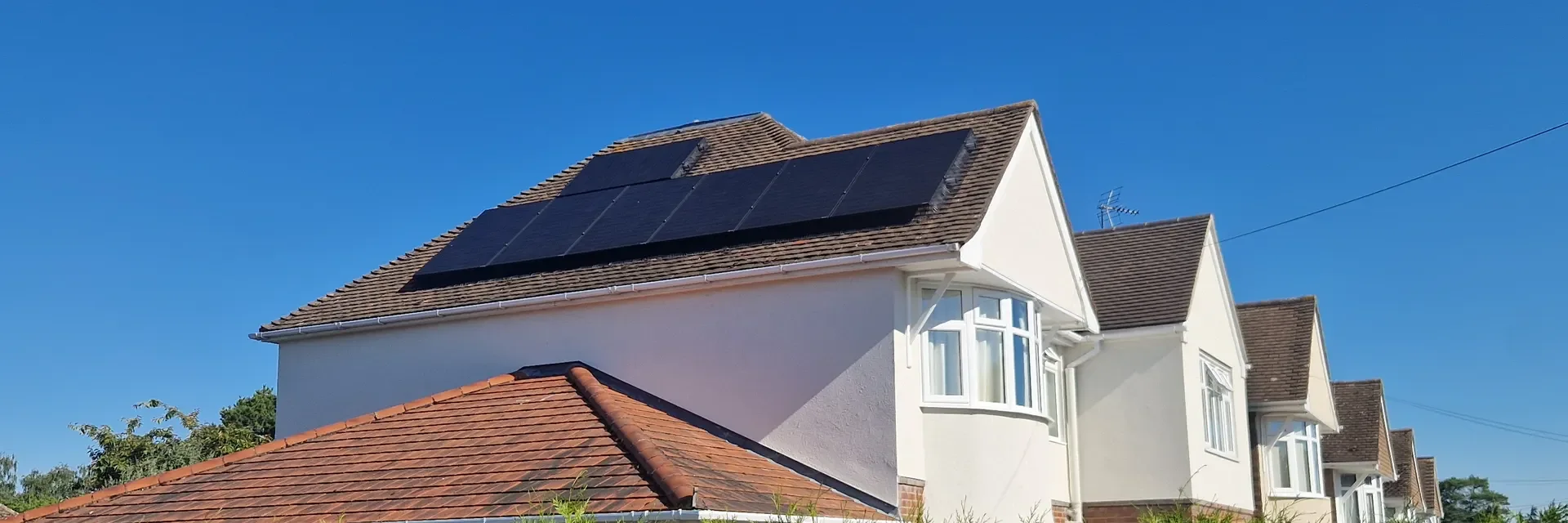
Can I Add a Battery to My Existing Solar Panels?
The short answer is yes — and it is simpler than most people think. Here is everything you need to know about retrofitting battery storage to any solar system.
Yes, you can add a battery to virtually any existing solar system — even if it was installed years ago by a different company. AC-coupled batteries work with any inverter brand. 0% VAT now applies to retrofit batteries, making them more affordable than ever.
Why Add a Battery to Existing Solar?
If you have solar panels but no battery, you are likely exporting a significant amount of your solar generation to the grid at 4–15p/kWh (Smart Export Guarantee rate), then buying electricity back in the evenings at 24–35p/kWh. A battery captures that surplus generation for use when the sun is not shining.
AC Coupling vs DC Coupling: Which Do You Need?
AC Coupling (most common for retrofits)
- Works with any inverter brand or age
- Battery has its own inverter built in
- Simpler installation, lower labour cost
- Can also charge from grid (smart tariffs)
- Slightly less efficient (dual conversion)
DC Coupling (higher efficiency)
- Single conversion step — more efficient
- Better for high solar generation
- Requires compatible hybrid inverter
- May require inverter replacement
- Higher total cost if inverter changes
Compatible Batteries by Inverter Brand
| Your inverter | Coupling | Recommended battery |
|---|---|---|
| Solis / Ginlong | AC or DC | Fox ESS EVO or Solis AC Charger |
| SolarEdge | AC or DC | SolarEdge Energy Bank |
| Fronius | AC | Fox ESS EVO or Tesla Powerwall |
| SMA | AC | Fox ESS EVO or Tesla Powerwall |
| Growatt | AC or DC | Growatt GBLI or Fox ESS EVO |
| Fox ESS | DC | Fox ESS Battery Module |
| Any / Unknown | AC | Fox ESS EVO or Tesla Powerwall |
Battery Options and Installed Costs (East Anglia, 2026)
| Battery | Capacity | Warranty | Price (installed, inc. 0% VAT) | Smart tariff | Backup power |
|---|---|---|---|---|---|
| Fox ESS EVO 5kWh | 5kWh | 10 years | ~£3,800 | Yes | Yes (EPS) |
| Fox ESS EVO 9.6kWh | 9.6kWh | 10 years | ~£4,800 | Yes | Yes (EPS) |
| Tesla Powerwall 3 | 13.5kWh | 10 years | ~£9,000 | Yes | Yes (full) |
| SolarEdge Energy Bank | 9.7kWh | 10 years | ~£4,200 | Yes | No |
| Pylontech Force-H2 | 7.1kWh | 10 years | ~£3,800 | Yes | Yes (EPS) |
All prices inclusive of installation, electrical work, commissioning and 0% VAT. Prices exclude any scaffold that may be required for roof-mounted components (rare for battery retrofits).
Smart Tariffs: Earn Money From Your Battery
With a smart meter and the right energy tariff, your battery becomes a revenue source — not just a storage unit:
Frequently Asked Questions
Can I add a battery to any existing solar panel system?
Yes, in most cases. The key factor is your existing inverter. AC-coupled batteries (like Fox ESS EVO or Tesla Powerwall) work with virtually any inverter and are the most common retrofit solution. DC-coupled batteries require a compatible or replacement inverter. During a free survey, we identify the best option for your specific system.
What is AC coupling vs DC coupling?
AC-coupled batteries connect to your home's AC electrical circuit and include their own inverter — meaning they work independently of your solar inverter. This makes them compatible with any solar system. DC-coupled batteries connect directly to your solar panels' DC circuit, which is slightly more efficient but requires a compatible hybrid inverter. For retrofits, AC coupling is usually simpler and more cost-effective.
How much does it cost to add a battery to existing solar?
Retrofitting a battery typically costs £4,500–£12,000 fully installed, depending on battery size and brand. A Fox ESS EVO 9.6kWh starts from around £4,500 installed. Tesla Powerwall 3 (13.5kWh) is typically £7,000–£11,500 installed. Prices are 10–15% higher than adding battery at the same time as solar, due to separate scaffolding/call-out costs.
Is 0% VAT available on a retrofit battery?
Yes. As of February 2024, standalone battery storage installations (including retrofits to existing solar systems) qualify for 0% VAT in the UK, as long as the battery is 1kWh capacity or greater. This saves around 20% compared to previous rules.
What size battery do I need for my solar system?
A common rule of thumb: match your battery capacity to your daily household consumption minus your daytime solar usage. For a typical 3–4 bed home using 8–12kWh/day with a 4kW solar system, a 5–10kWh battery captures most surplus generation. Our survey calculates exactly what size makes financial sense for your specific usage profile.
Will adding a battery improve my EPC rating?
Yes. Under the new Home Energy Model (replacing SAP 2012), battery storage is explicitly valued and improves EPC scores, particularly when combined with solar PV. Landlords targeting EPC C by 2030 may find the solar + battery combination achieves the required rating with fewer other measures.
Can I use smart tariffs with a retrofit battery?
Yes — this is one of the key advantages of adding battery storage. Tariffs like Octopus Flux allow you to charge your battery overnight at rates as low as 7–12p/kWh and discharge during peak periods (4–7pm) when rates are 35–40p/kWh. Many customers earn £200–£400/year purely from smart tariff arbitrage, on top of self-consumption savings.
How long does a battery retrofit installation take?
A battery retrofit installation typically takes 4–6 hours and is completed in a single day with no scaffolding required (for ground-floor or accessible installations). The system is fully commissioned and connected to your monitoring app before the engineer leaves.
Related Articles
Further reading to help you make informed decisions about your renewable energy investment.
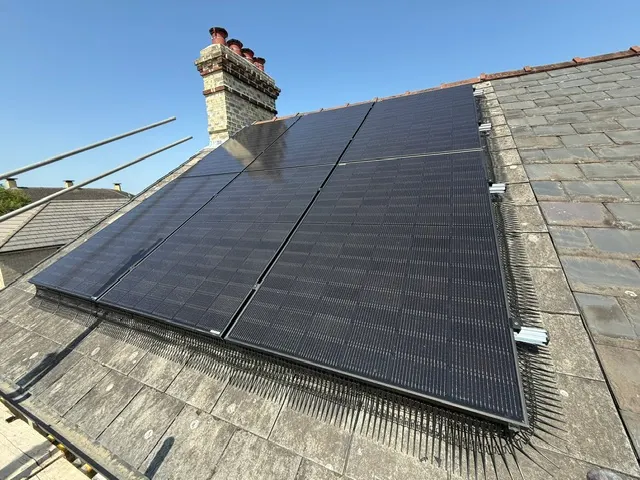
How Much Do Solar Panels Cost in Cambridgeshire in 2026?
A detailed breakdown of solar panel prices across Cambridgeshire, from Cambridge to Ely to Huntingdon. Real costs, incentives, and what to expect from your installer.
Solar Panels for Farms: A Complete Guide for East Anglia Farmers
How agricultural solar installations work, what they cost, and the exceptional ROI that farm buildings across Norfolk, Suffolk, and Cambridgeshire can achieve.
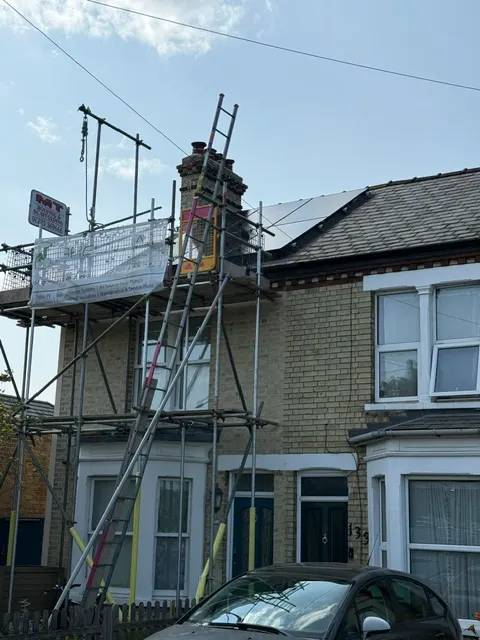
Solar Panels on Listed Buildings: What East Anglia Homeowners Need to Know
Can you install solar panels on a listed building in East Anglia? Yes, with the right approach. Planning requirements, approved methods, and real examples.
Add Battery Storage to Your Existing Solar System
Free survey for existing solar customers. We work with all major inverter brands across Cambridgeshire, Norfolk and Suffolk.
Request a callback
Name and number is enough — we call within 24 hours.