
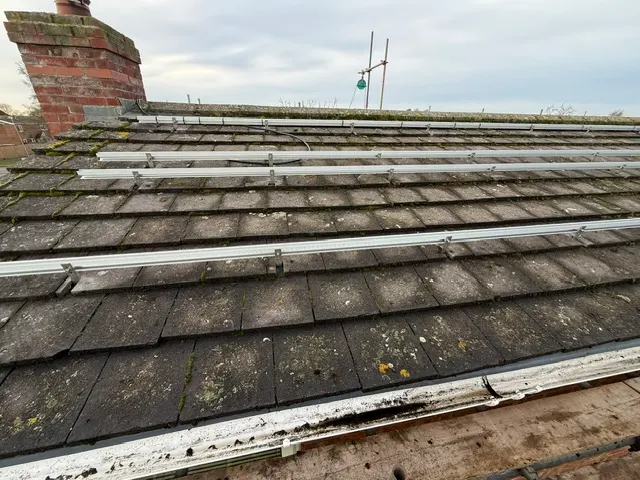
Landlord EPC C Guide: Meet the 2030 Deadline
Rental properties must reach EPC C by 2030 or face fines of up to £30,000. Here is how East Anglia landlords can get there cost-effectively — and often with significant grant funding.
Minimum Energy Efficiency Standards — EPC C by 2030
New tenancies and renewals are expected to require EPC C from 2028. All existing tenancies from 2030. Fines of up to £30,000 per property. The £15,000 cost cap means most landlords can reach EPC C within budget — especially with solar and BUS grant support.
EPC Points by Measure — What Gets You to C?
The table below shows the EPC point improvement and typical installed cost for each major measure. Most EPC D properties need 5–15 additional points to reach C. Many EPC E properties need 15–25 points.
| Measure | EPC points gained | Typical cost | Funding available |
|---|---|---|---|
| Loft insulation (270mm) | +3 to +8 | £300–£600 | ECO4 |
| Cavity wall insulation | +3 to +7 | £400–£1,000 | ECO4 |
| Solar PV (4kW) | +8 to +15 | £5,000–£7,000 (0% VAT) | ECO4 Flex |
| Air source heat pump | +10 to +20 | Net £3,000–£7,500 (after BUS grant) | BUS £7,500 grant |
| Battery storage (9.5kWh) | +3 to +6 | £2,800–£4,000 (0% VAT) | None (0% VAT) |
| Solid wall insulation (EWI) | +8 to +15 | £8,000–£18,000 | ECO4, Warm Homes Local Grant |
| Underfloor insulation | +2 to +5 | £800–£2,000 | ECO4 Flex |
| Smart controls / TRVs | +1 to +3 | £200–£600 | ECO4 |
EPC point ranges are indicative. Exact improvement depends on your property baseline, orientation and construction type. A full EPC assessment after installation confirms your new band.
The Fastest Route to EPC C by Property Rating
Solar PV (4kW) alone is often sufficient to move an EPC D property to C. This costs £5,000–£7,000 after 0% VAT, well within the £15,000 cost cap. A free EPC impact survey confirms whether this single measure achieves C.
Loft + cavity wall insulation (if applicable) plus solar PV is the most cost-effective combination. Total cost typically £6,000–£9,000, often with ECO4 funding available for qualifying landlords.
Fabric-first approach needed: solid wall insulation or major insulation upgrades are usually required, combined with a heat pump (£7,500 BUS grant available) and solar. ECO4 and Warm Homes Local Grant can cover significant costs for eligible properties.
Available Funding for Landlords in 2026
£7,500 BUS Grant (heat pumps)
Available to landlords for air or ground source heat pump installations. The MCS-certified heat pump installer applies on your behalf.
Learn moreECO4 (via tenant eligibility)
If your tenant receives qualifying benefits and the property is EPC D–G, ECO4 may fund major upgrades at zero cost.
Learn moreWarm Homes Local Grant
Cambridgeshire, Norfolk and Suffolk councils offer Warm Homes Local Grant funding for low-income properties, including some landlord properties.
Learn more0% VAT on solar and batteries
All solar PV and battery storage installations now qualify for 0% VAT, reducing costs by ~20% compared to standard rate.
Learn moreWhy Act Before 2028?
Frequently Asked Questions
What is the EPC C by 2030 deadline for landlords?
The UK government's Minimum Energy Efficiency Standards (MEES) regulations are set to require all privately rented homes to achieve EPC C or above by 2030. New tenancies and renewals are expected to need EPC C from 2028, with all tenancies covered by 2030. Landlords who fail to comply face fines of up to £30,000 per property.
How many EPC points do solar panels add?
Under the new Home Energy Model (replacing SAP 2012), a 4kW solar PV system typically adds 8–15 EPC points, potentially moving a D-rated property to C or a C-rated property to B. The exact improvement depends on your property's baseline energy use, orientation, and roof area. Adding battery storage can add a further 3–6 points by reducing grid import.
Is there a cost cap for landlords on EPC improvements?
The current proposed MEES regulations include a £15,000 cost cap per property. Landlords who can demonstrate that reaching EPC C would cost more than £15,000 (including the cost of all eligible works) may be able to apply for a cost cap exemption. However, with solar panels costing £5,000–£8,000 and heat pumps qualifying for the £7,500 BUS grant, many properties can reach EPC C well within the cap.
Can landlords claim the Boiler Upgrade Scheme grant?
Yes. Landlords can claim the £7,500 BUS grant for air source heat pump installations in rental properties, as long as the property is not currently covered by a live ECO4 application. The grant is applied directly against the installation cost — landlords pay the net amount. The MCS-certified heat pump installer applies for the grant on behalf of the landlord.
What is the best way for a landlord to reach EPC C?
The most cost-effective path depends on your current EPC rating and the property's construction. For properties rated EPC D: solar PV (4kW) is often the single measure that tips the property to C. For EPC E properties: a combination of loft insulation, cavity wall insulation, and solar panels usually achieves EPC C. For EPC F/G: fabric improvements (solid wall insulation, floor insulation) combined with a heat pump or solar are needed. We provide a free EPC improvement assessment for landlords.
Do solar panels on a rental property increase rent or value?
Yes to both. A study by the University of Cambridge found EPC C+ properties command 5–10% higher rents than equivalent EPC D or below properties. RICS research suggests EPC improvements add 0.5–1% per EPC band to property capital value. Solar panels also reduce void periods as tenants increasingly prioritise low energy bills.
Can I use ECO4 Flex to fund improvements on rental properties?
Yes, in some cases. Landlords can access ECO4 funding if their tenants meet the benefit eligibility criteria and the property is below EPC C. Local authorities also have ECO4 Flex routes that can cover landlord properties in lower-income areas. The landlord must consent to the work. Contact us to discuss whether your rental portfolio qualifies.
What happens if I miss the 2030 EPC C deadline?
Landlords who cannot let or continue to let a property with an EPC below C after the deadline face financial penalties of up to £30,000 per property. The enforcement authority is the local authority (Trading Standards). Exemptions can be registered if measures are genuinely not cost-effective or technically feasible, but these require formal documentation.
Related Articles
Further reading to help you make informed decisions about your renewable energy investment.
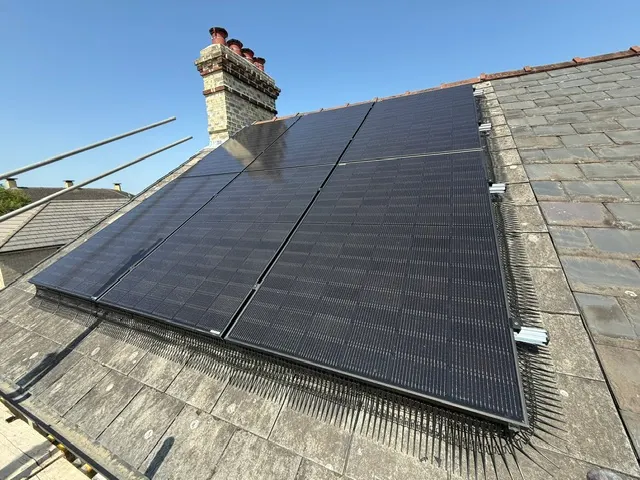
How Much Do Solar Panels Cost in Cambridgeshire in 2026?
A detailed breakdown of solar panel prices across Cambridgeshire, from Cambridge to Ely to Huntingdon. Real costs, incentives, and what to expect from your installer.
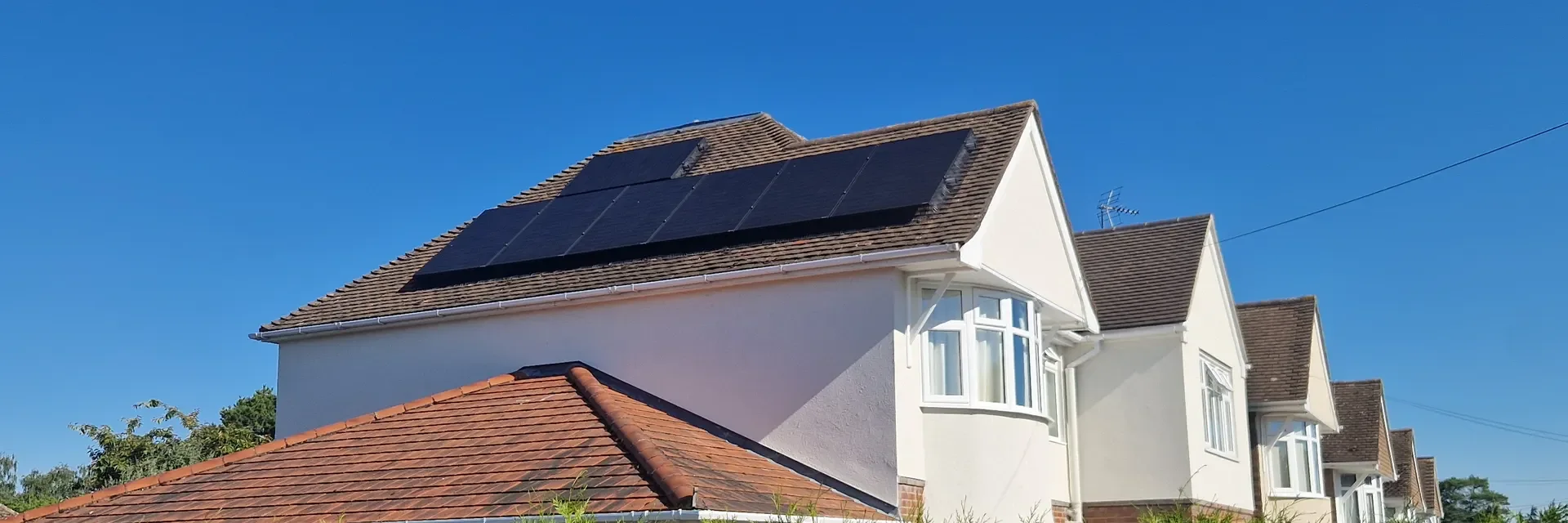
Solar Panels for Farms: A Complete Guide for East Anglia Farmers
How agricultural solar installations work, what they cost, and the exceptional ROI that farm buildings across Norfolk, Suffolk, and Cambridgeshire can achieve.
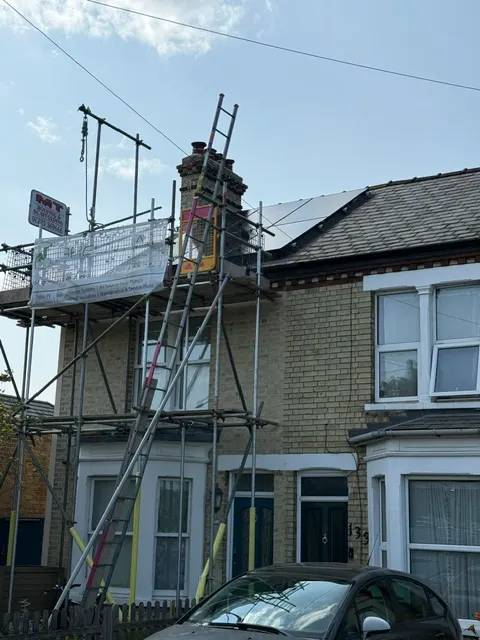
Solar Panels on Listed Buildings: What East Anglia Homeowners Need to Know
Can you install solar panels on a listed building in East Anglia? Yes, with the right approach. Planning requirements, approved methods, and real examples.
Free Landlord EPC Assessment
We survey your rental property, calculate which measures achieve EPC C within the £15,000 cost cap, and identify all available grant funding. Serving Cambridgeshire, Norfolk and Suffolk.
Request a callback
Name and number is enough — we call within 24 hours.