Warm Homes Plan at a Glance
What is the Warm Homes Plan?
The Warm Homes Plan is the Labour government's flagship energy efficiency programme, announced in 2024 and rolling out through 2025-2030. It replaces the Energy Company Obligation (ECO4) with direct government funding, significantly broadening eligibility and increasing the range of technologies covered.
Unlike ECO4 — which was funded through levies on energy suppliers and targeted only the most vulnerable households — the Warm Homes Plan uses £3.4bn of direct government money over three years, aiming to improve the energy efficiency of 5 million homes by 2030. This means a much wider pool of households can access free or low-cost upgrades across Cambridgeshire, Norfolk, and Suffolk.
Important: Scheme Details Evolving
The Warm Homes Plan is being phased in through 2025-2026. The exact eligibility criteria, application process, and available funding levels are being confirmed progressively. Contact us to check current availability and eligibility in your area.
Who Is Eligible?
The Warm Homes Plan has a two-tier eligibility structure:
Tier 1: Highest Support
EPC D, E, F, or G + means-tested benefit
Tier 2: Partial Support
EPC D-G (lower income, not necessarily on benefits)
What Measures Are Covered?
The Warm Homes Plan covers a comprehensive range of energy efficiency and low-carbon measures. Available measures depend on your property's current condition and what will have the greatest impact on your EPC rating and energy bills:
| Measure | Typical Support | EPC Improvement | Annual Saving |
|---|---|---|---|
| External Wall Insulation | Free – fully funded | 2-3 bands | £300-£600/yr |
| Loft Insulation (top-up) | Free – fully funded | 1 band | £150-£300/yr |
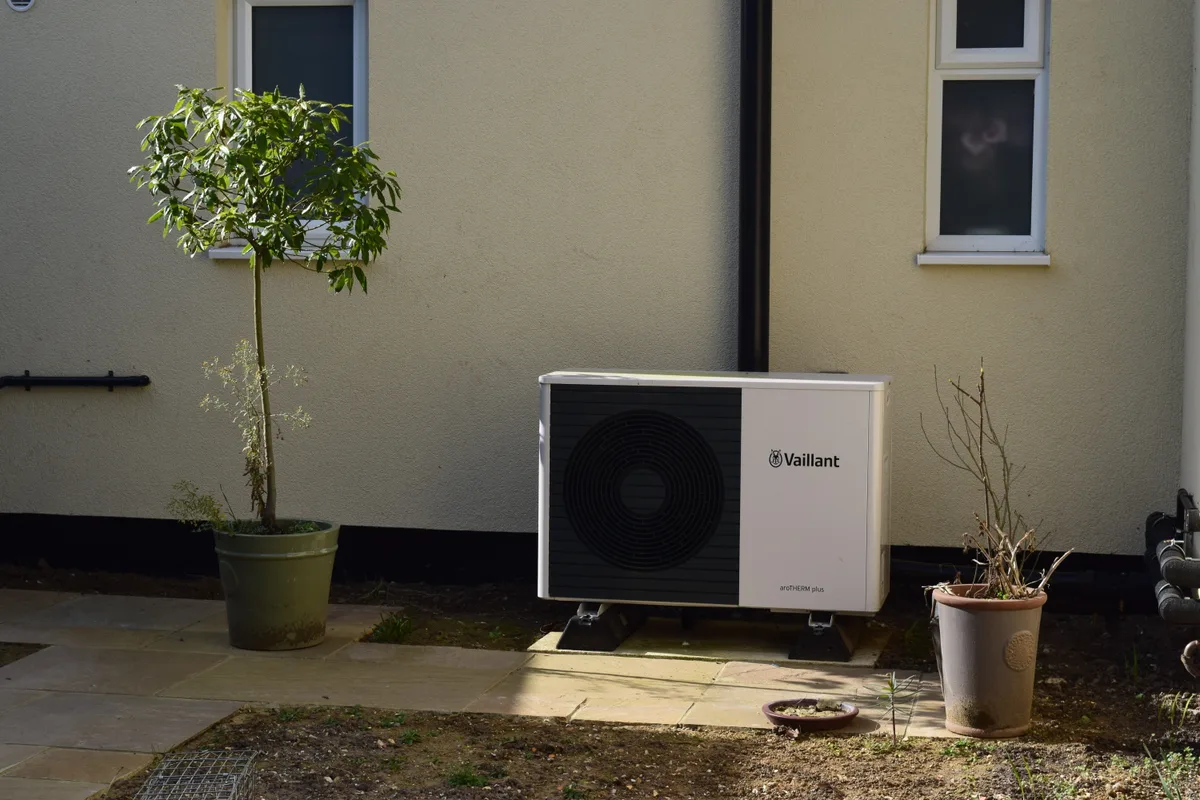
| Air Source Heat Pump | Free or £500-£2,000 | 1-2 bands | £200-£800/yr |
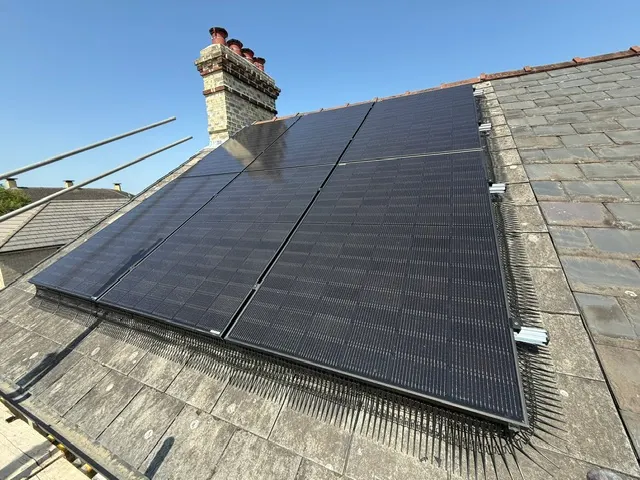
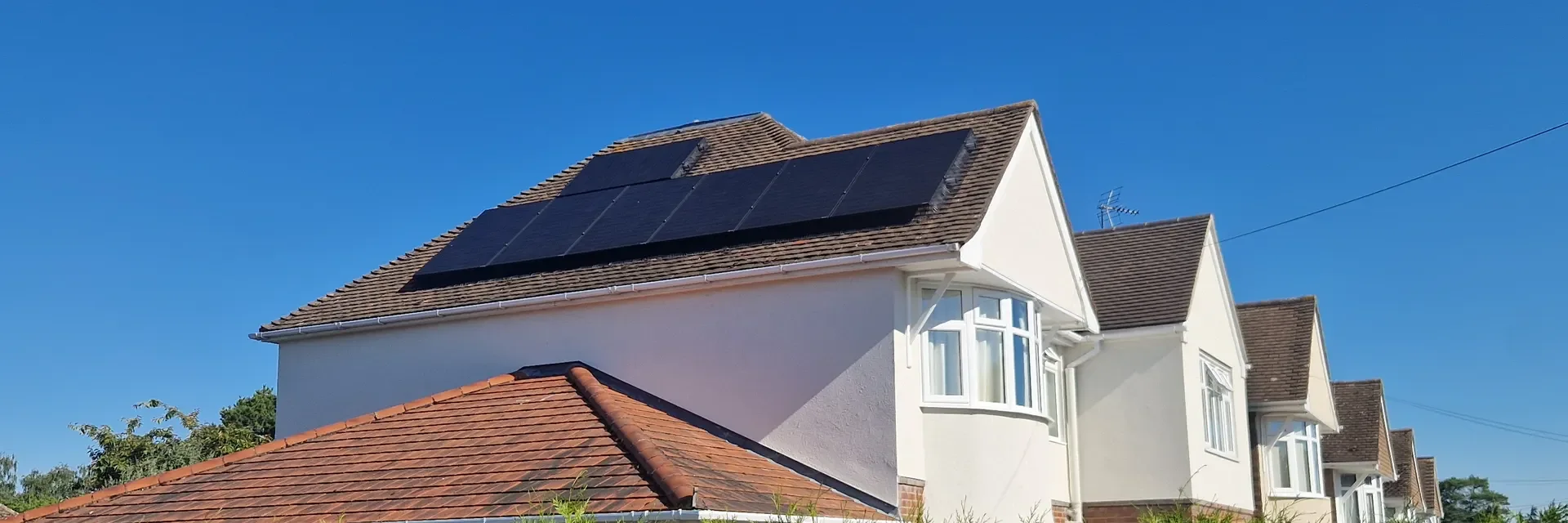
| Solar PV (3-4kW) | Free or contribution required | 1-2 bands | £700-£1,100/yr |
| Battery Storage (5kWh) | Often bundled with solar | 0-1 bands | £200-£400/yr |
| Smart Heating Controls | Free – fully funded | 0-1 bands | £75-£150/yr |
| Draught-Proofing | Free – fully funded | 0-1 bands | £50-£100/yr |
Support levels are indicative and depend on individual eligibility, property type, and current scheme funding availability. Savings estimates based on average East Anglia household.
How the Warm Homes Plan Compares to Other Schemes
Warm Homes Plan vs Boiler Upgrade Scheme (BUS)
The BUS gives £7,500 to any homeowner (regardless of income) installing a heat pump, or £9,000 until March 2027 if the home is heated by oil or LPG and has no mains gas connection. The Warm Homes Plan provides larger grants but targets lower-income households. If you do not qualify for Warm Homes, the BUS is your route to a heat pump. Both can reduce your net heat pump cost to under £3,000 in many cases.
BUS Grant GuideWarm Homes Plan vs 0% VAT on Solar
0% VAT on solar panel installations is available to all UK homeowners until March 2027 — no income test. If you do not qualify for Warm Homes Plan solar funding, the 0% VAT alone saves you £800-£2,500 on a residential system. Warm Homes Plan goes further by potentially funding the entire solar installation for eligible households.
Solar Panel Costs GuideWarm Homes Plan vs EPC Improvement (for landlords)
Landlords face an EPC C minimum by 2030 and up to £10,000 cost exposure. The Warm Homes Plan can help fund insulation improvements that also satisfy EPC requirements, but the EPC compliance obligation sits with the landlord regardless of grant availability.
EPC Guide for LandlordsHow We Help You Apply
Eligibility Check
We assess your household income, benefit status, and current EPC rating. If you are potentially eligible for Warm Homes Plan support, we identify which measures apply to your property.
Property Survey
We conduct a detailed survey covering insulation levels, heating system, and the measures that will deliver the greatest EPC improvement and bill savings for your specific home.
Application & Paperwork
We handle all grant applications and scheme paperwork on your behalf. Warm Homes Plan applications are submitted through approved delivery bodies — your role is minimal.
Installation
Once approved, we install all funded measures as a coordinated project. For complex retrofits combining insulation, heat pump, and solar, we sequence the work for minimal disruption.
EPC & Compliance
After completion, we arrange an updated EPC certificate to confirm your improved rating and provide all documentation for grant compliance.
Even If You Don't Qualify for Warm Homes Plan
There are still significant incentives available to all homeowners regardless of income:
Frequently Asked Questions
What is the Warm Homes Plan 2026?
The Warm Homes Plan is the Labour government's replacement for ECO4 and the legacy green home schemes. It aims to upgrade 5 million homes by 2030 through a combination of grants, low-interest loans, and supplier obligations. It focuses on insulation, low-carbon heating, and solar for fuel-poor and low-income households, with higher value support for homes in EPC bands D-G.
Who qualifies for the Warm Homes Plan?
Eligibility is income and property based. Households receiving means-tested benefits (Universal Credit, Pension Credit, Working Tax Credit, Child Tax Credit) and living in a property with an EPC rating of D, E, F, or G are the primary target. Lower-income households in EPC A-C properties may also qualify for some measures. Private renters may qualify if their landlord agrees to the work.
What does the Warm Homes Plan cover?
The scheme covers a wide range of measures including: loft insulation, cavity wall insulation, solid wall insulation (internal and external), underfloor insulation, heat pumps (air source and ground source), solar panels, solar battery storage, smart heating controls, and draught-proofing. Not all measures are available for every property — an eligibility assessment determines what your home qualifies for.
How is the Warm Homes Plan different from ECO4?
ECO4 was funded through energy supplier obligations and primarily targeted the very poorest households. The Warm Homes Plan is directly government funded (£3.4bn over 3 years), has a broader eligibility window, and includes a wider range of technologies including solar panels and batteries which ECO4 did not cover. The application process is also more streamlined.
Can I get a heat pump through the Warm Homes Plan?
Yes. Heat pumps are a core measure under the Warm Homes Plan. Eligible households can receive a grant covering the majority or all of a heat pump installation. This is separate from the Boiler Upgrade Scheme (BUS), which remains available for households not covered by the Warm Homes Plan's income criteria.
Do I have to own my home to apply?
Owner-occupiers and private renters can apply, though renters need landlord agreement. Social housing tenants may qualify through their landlord's own improvement schemes. The government has set minimum standards for social housing energy efficiency separately.