
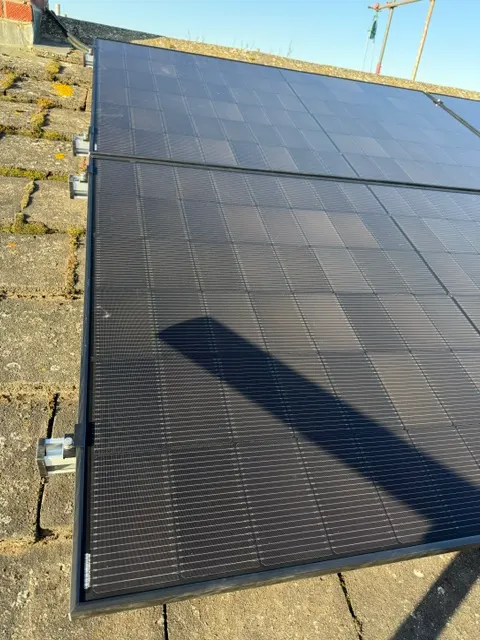
Solar Panel Maintenance: What You Need to Know
Solar panels are largely self-maintaining, but annual inspections and occasional cleaning will protect your investment and ensure you are generating what you should be. Here is a complete guide to keeping your system in peak condition.
Solar panels are designed to be low-maintenance. They have no moving parts, are weather-sealed, and come with 25-year performance warranties. But low-maintenance does not mean no-maintenance. A system that is never checked or cleaned will gradually underperform, with output losses that compound year on year.
The good news is that maintaining your system properly is neither expensive nor time-consuming. An annual visual check, a professional clean every 2-3 years, and monitoring your generation data against predictions will catch any issues early and protect both your output and your warranty.
How Maintenance Affects Output
2-6%
Light soiling loss
Typical annual output reduction from dust and pollen in UK climates
up to 25%
Bird-fouled system
Output loss on heavily pigeon-fouled systems without bird proofing
up to 50%
Faulty connector
Generation loss from a single corroded or loose MC4 connector
Annual Maintenance Schedule
Every month
- Check inverter display for error codes
- Review monitoring app generation vs. previous year
- Check that system is exporting to grid (smart meter or SEG account)
Spring (March–April)
- Visual roof inspection — look for panel damage or soiling after winter
- Check for bird activity or nesting material at panel edges
- Clean panels if pollen season begins and soiling is visible
Summer (June–August)
- Peak generation season — monitor output closely
- Check bird activity and schedule proofing if required
- Review annual generation report on monitoring app
Autumn (September–November)
- Professional annual service (inspection + cleaning)
- Install bird proofing if nests were present in spring
- Check mounting fixings are secure before winter storms
What a Professional Service Includes
Visual Panel Inspection
Each panel is checked for cracks, delamination, discolouration (hot spots), and soiling patterns. Cracked panels may need replacement to prevent performance loss and safety hazards.
Mounting Frame Check
Rails, brackets, and fixings are inspected for corrosion, loosening, and seal integrity. Particular attention is paid to roof penetrations to ensure weathertightness.
Panel Cleaning
Panels are cleaned with deionised water and specialist solar cleaning equipment. No detergents that could leave residue or damage anti-soiling coatings.
Cable and Connector Inspection
DC cables and MC4 connectors are checked for chafing, corrosion, rodent damage, and UV degradation. Loose or corroded connectors are a leading cause of arc faults.
Inverter Health Check
Inverter error logs are reviewed, firmware is updated if required, and DC/AC voltage and current readings are checked against expected values for your system size.
Generation Data Review
Actual generation over the past 12 months is compared against the MCS predicted output. Any underperformance is diagnosed and reported with recommendations.
Written Report
You receive a written report covering all findings, any recommended works, and a pass/fail status for each component. This is useful for insurance purposes and property sales.
Service Costs in East Anglia
| Service Type | What is Included | Typical Cost |
|---|---|---|
| Cleaning only | Panel clean with deionised water and squeegee | £50-£100 |
| Annual inspection | Visual check + electrical check + written report | £80-£150 |
| Full service | Inspection + cleaning + inverter check + report | £120-£200 |
| Annual contract | Full service + priority callout + monitoring review | £150-£250/year |
| Inverter replacement | Supply and fit replacement string inverter | £400-£1,500 |
Warning Signs Your System Needs Attention
Inverter showing error code
Check manufacturer app or manual for error meaning. Common codes relate to grid voltage, DC isolation faults, or overtemperature. Contact us if the error persists.
Output 15%+ below expected
Compare against MCS predicted output or previous year same period. Could be soiling, shading, panel fault, or inverter issue. Book an inspection.
One string underperforming
Check for shading, panel damage, or connector fault on that string. SolarEdge panel-level monitoring can pinpoint the exact panel causing the issue.
Inverter making unusual noise
A humming sound is normal. Rattling, buzzing, or clicking can indicate cooling fan failure or electrical issues. Contact us promptly.
Visual cracks or yellowing
Cracked cells or yellowed encapsulant (EVA yellowing) require panel replacement. This may be covered under the manufacturer product warranty.
System not exporting to SEG
Check your smart meter is registered and that your SEG tariff application was correctly submitted. Confirm with your energy supplier that they are receiving export data.
Frequently Asked Questions
How often should solar panels be cleaned?
In the UK climate, professional cleaning every 2-3 years is sufficient for most roof-mounted systems. East Anglia's agricultural areas may require annual cleaning if panels accumulate significant dust or pollen. Modern panels have anti-soiling glass coatings and UK rainfall washes away most light soiling naturally. Check your monitoring data: if output in comparable weather drops more than 10% year-on-year, it is time to clean.
Can I clean solar panels myself?
For single-storey properties with safe roof access, basic cleaning with a soft brush, lukewarm water, and a squeegee (no detergent, no abrasive materials) is safe. Do not use high-pressure washers (can damage panel sealants), do not step on panels, and do not clean in direct sunlight or on hot surfaces. For two-storey or higher properties, always use a professional with appropriate access equipment.
How much does solar panel servicing cost?
A professional service across East Anglia typically costs £80-£150 for a standard 10-14 panel residential system. This covers inspection, cleaning, electrical safety check, and a written report. Annual maintenance contracts covering inspection, cleaning, and emergency callout typically run £120-£200 per year. Cleaning-only visits without inspection cost £50-£100.
How long do solar panel inverters last?
String inverters (the most common type) typically last 10-15 years. Most manufacturers offer 5-10 year warranties, and extended warranties are available. Microinverters (Enphase) and optimisers (SolarEdge) are rated for 25 years. Replacement string inverters cost £400-£1,500 depending on system size — budget for one inverter replacement over the 25-year panel lifespan.
What does a solar panel service include?
A thorough service includes: visual inspection of all panels for cracks, discolouration, and soiling; inspection of mounting frames and fixings for corrosion; cleaning panels; electrical safety checks including DC isolation, cable condition, connector integrity; inverter checks including firmware updates and error log review; comparison of current generation data against expected benchmarks; and a written inspection report.
Will dust and pollen reduce my solar panel output?
Research shows that soiling typically reduces UK solar panel output by 2-6% annually. Pollen is particularly problematic in spring and can coat panels with a sticky residue that rain does not fully remove. East Anglia's agricultural landscape means higher-than-average airborne dust and pollen loads. Properties near ploughed fields or grain stores may see higher soiling rates than the national average.
How do I know if my solar panels are underperforming?
The easiest method is to compare your inverter's generation data against the predicted output in your original MCS installation certificate. A drop of more than 10-15% in comparable weather conditions is a red flag. Most modern inverters (including Fox ESS and SolarEdge systems) have monitoring apps that show daily, monthly, and annual generation. You can also compare against EU PVGIS historical irradiance data for your postcode.
Do pigeons or moss affect solar panel output?
Yes to both. Bird droppings can reduce individual panel output by 20-30% where coverage is concentrated. Moss growth on the roof surface below panels can spread to panel undersides and frame gaps, potentially lifting panel fixings over time. If your roof develops significant moss growth, clean the roof as well as the panels and consider anti-moss treatments on the roof tiles.
Ready to Switch to Clean Energy?
Get your free, no-obligation survey and personalised quote. Our MCS-certified team is ready to help you save money and reduce your carbon footprint.
Request a callback
Name and number is enough — we call within 24 hours.