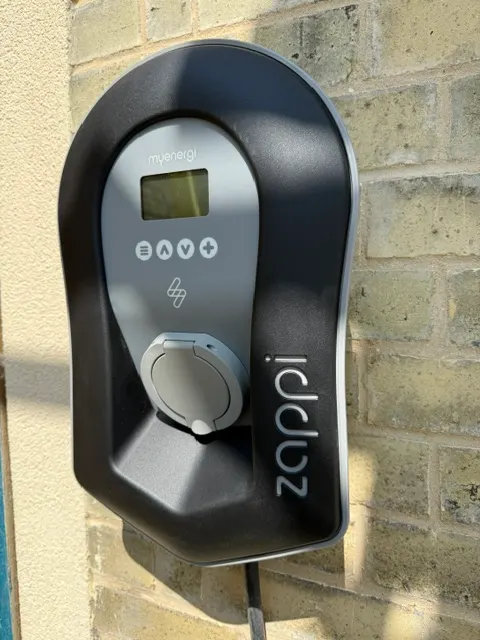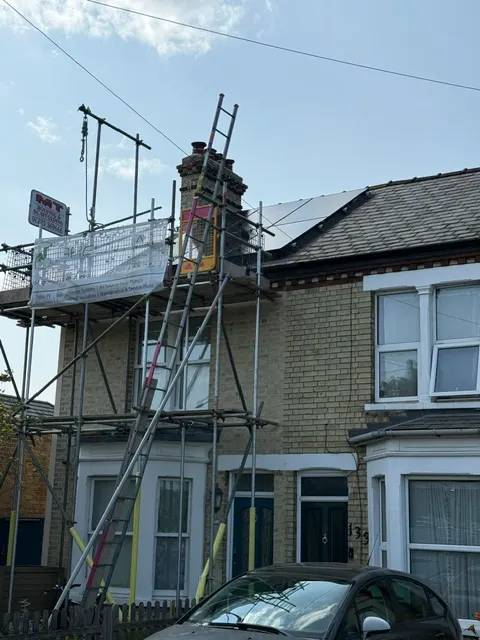
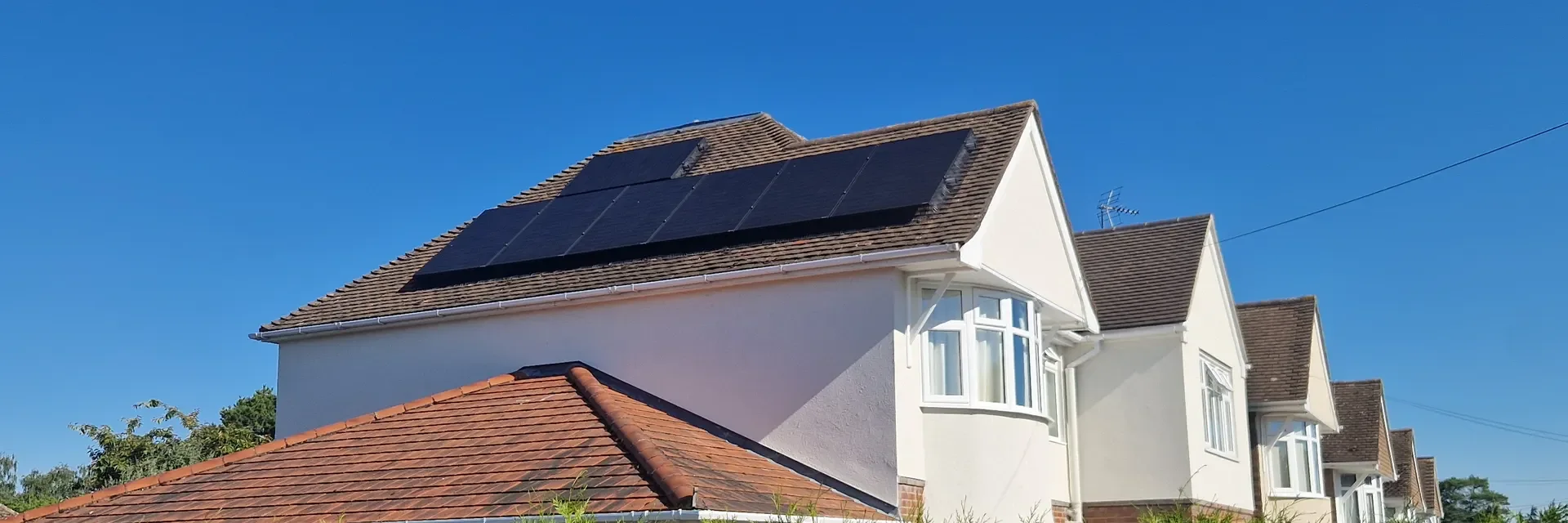
The Minimum Energy Efficiency Standard (MEES) for rental properties in England and Wales is being raised from EPC E to EPC C, with an October 2030 deadline for all existing tenancies. Currently, 52% of private rented sector (PRS) properties in England are rated below EPC C, meaning millions of landlords will need to take action. The £7,500 Boiler Upgrade Scheme grant and solar panel installations are among the most impactful routes to compliance. This guide covers what the new rules mean, the most cost-effective upgrade paths, and available funding for landlords across Cambridgeshire, Norfolk, and Suffolk.
Key Facts at a Glance
What is Changing?
Currently, landlords in England and Wales must ensure their rental properties meet a minimum EPC rating of E. The government has confirmed this will be raised to EPC C, with the following timeline:
New Tenancies: From 2028
All new tenancy agreements must be for properties rated EPC C or above from 2028 onwards.
All Tenancies: From October 2030
All existing tenancies must meet EPC C by October 2030. This is the hard deadline for full compliance across the PRS.
Cost Cap: £10,000 per Property
Landlords are required to spend up to £10,000 on energy efficiency improvements. If the property still cannot reach EPC C after spending £10,000, an exemption can be registered.
Routes to Compliance
The most cost-effective route to improving your EPC rating depends on your property type and current rating. Here are the most impactful measures for East Anglia properties:
| Improvement | Typical Cost | EPC Impact | Funding Available |
|---|---|---|---|
| Loft Insulation (270mm) | £500-£1,500 | +5-10 points | ECO4, LA Flex |
| Cavity Wall Insulation | £1,000-£2,500 | +10-15 points | ECO4, LA Flex |
| Solar Panels (3-4kW) | £4,500-£8,000 | +5-15 points | 0% VAT |
| Air Source Heat Pump | £2,500-£10,500 | +10-20 points | BUS £7,500 |
| Double/Triple Glazing | £3,000-£8,000 | +5-10 points | ECO4 (some) |
| External Wall Insulation | £8,000-£15,000 | +15-25 points | ECO4, LA Flex |
EPC impact varies by property. Costs shown include VAT where applicable. Heat pump cost shown is after the £7,500 BUS grant.
Solar Panels: Best Value for Landlords
Solar panels are one of the most cost-effective ways to improve an EPC rating. A 3-4kW system at 0% VAT can improve your EPC by 5-15 points while adding a valuable asset that reduces tenant bills, increases property appeal, and generates SEG income. Unlike insulation, solar panels also increase property value.
ECO4 Scheme for Landlords
The Energy Company Obligation (ECO4) scheme provides free or heavily subsidised energy efficiency improvements for eligible properties. As a landlord, your rental properties may qualify if:
ECO4 can fund loft insulation, cavity wall insulation, external wall insulation, and heating system upgrades at no cost to the landlord. We can help you determine whether your properties qualify and coordinate the application process.
Timeline for Compliance
Assess Your Portfolio (Now)
Review the EPC ratings of all your rental properties. Identify which are below C and prioritise those with the lowest ratings or upcoming lease renewals.
Get Updated EPCs (2026)
If any EPCs are more than 5 years old, commission updated assessments. EPC methodology has changed, and some properties may have improved ratings.
Plan Improvements (2026-2027)
Get quotes for the most cost-effective improvements. Consider combining solar panels, insulation, and heating upgrades for maximum impact within the £10,000 cap.
Complete Works (2027-2029)
Schedule and complete improvements. Allow time for BUS grant applications, ECO4 assessments, and contractor availability. Do not leave it to the last minute.
Achieve Compliance (Before October 2030)
Obtain new EPC certificates showing a C rating or above. Register any exemptions for properties that cannot reach C despite £10,000 of investment.
Frequently Asked Questions
What happens if my rental property does not meet EPC C by 2030?
From October 2030, landlords will not be able to continue letting properties that do not meet EPC C. Local authorities will have enforcement powers to issue fines of up to £30,000 per property. The only exception is if you have spent up to the £10,000 cost cap on improvements and the property still cannot reach EPC C, in which case an exemption can be registered.
How much does it cost to improve an EPC rating from D to C?
The cost varies significantly depending on the property and the measures required. Simple improvements like loft insulation and LED lighting may cost as little as £1,000-£3,000. More substantial upgrades involving solar panels, heat pumps, or external wall insulation can cost £5,000-£10,000+. The £10,000 cost cap applies per property.
Does installing solar panels improve my EPC rating?
Yes. Solar panels typically improve an EPC rating by 5-15 points, which can be enough to move a property from D to C. A 3-4kW solar system is one of the most cost-effective ways to improve an EPC rating, with the added benefit of reducing tenant energy bills and increasing the property appeal.
Can I get funding to improve my rental property EPC?
Yes. The ECO4 scheme provides free or subsidised energy efficiency improvements for properties with low EPC ratings, particularly where tenants are on benefits or low incomes. The Boiler Upgrade Scheme provides £7,500 towards heat pump installation. Solar panels also qualify for 0% VAT on residential properties.
Do the new EPC rules apply to all rental properties?
The new EPC C minimum will apply to all privately rented properties in England and Wales with an existing domestic tenancy from October 2030. This includes both new tenancies and existing tenancies. Social housing has separate regulations. Holiday lets and HMOs may have different requirements depending on how they are classified.