
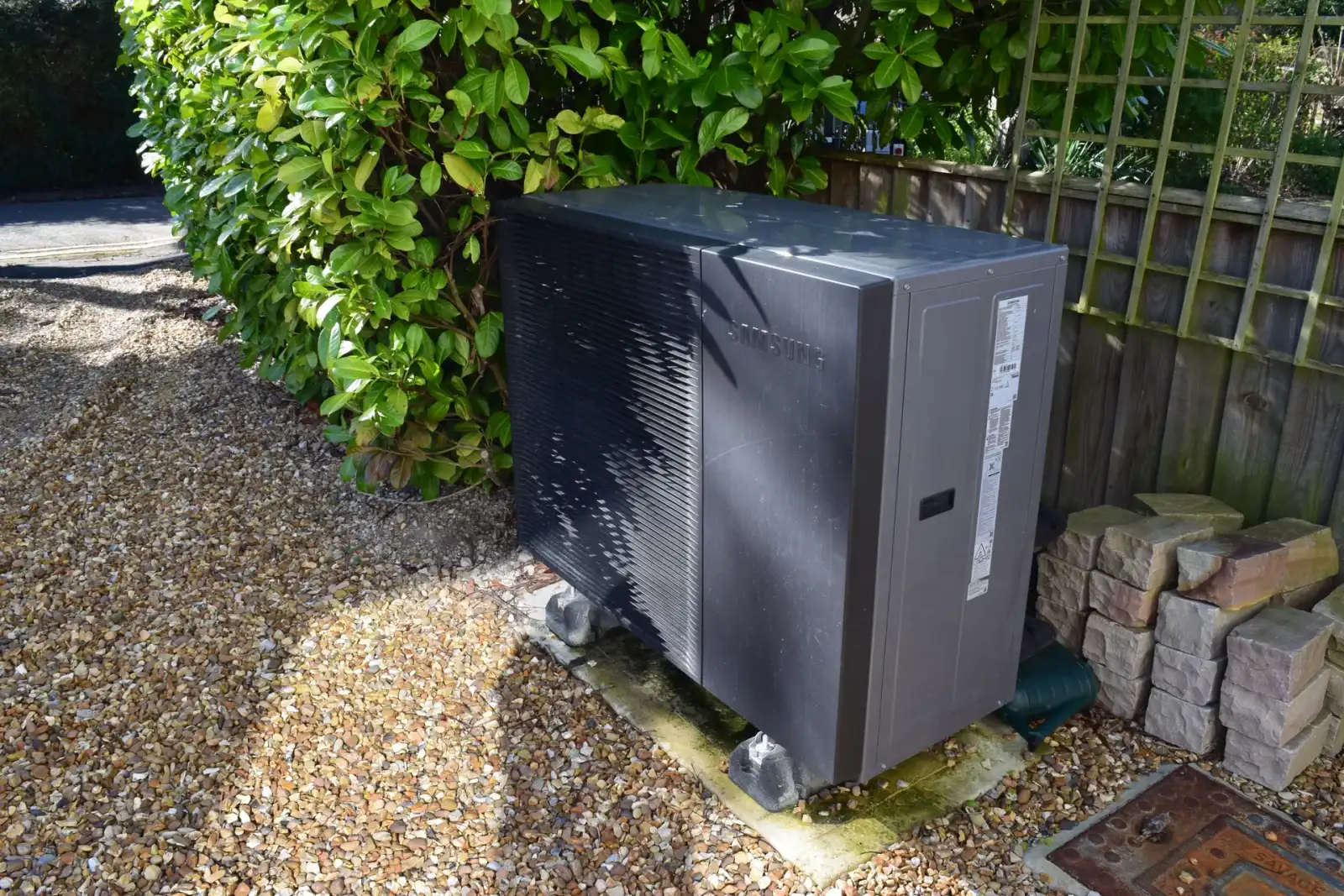
Short answer: A heat pump costs more upfront but delivers lower running costs, zero carbon emissions, and qualifies for a £7,500 government grant. For most East Anglia homes built after 1970, or any home rated EPC D or above, a heat pump is the better long-term choice — especially combined with solar panels.
Side-by-Side Comparison
The table below cuts through the noise and compares the key factors that matter for East Anglia homeowners:
| Factor | Heat Pump | Gas Boiler |
|---|---|---|
| Typical installation cost | £10,000–£15,000 (£2,500–£7,500 after BUS grant) | £1,500–£3,500 |
| Running cost (well-insulated home) | £700–£1,100/year | £900–£1,400/year |
| Carbon emissions | 50–75% lower than gas | High (fossil fuel) |
| Lifespan | 20–25 years | 12–15 years |
| Planning permission | Usually not required | Not required |
| Works with solar panels | Excellent synergy | No direct integration |
| EPC improvement | Significant (B/A band) | Minimal |
| Government grants | £7,500 BUS grant | None available |
| Hot water | Yes (via cylinder) | Yes (combi or system) |
| Future-proof? | Yes (aligns with net zero) | No (gas phase-out by 2035) |
Running Costs: The Real Numbers
Running cost comparisons depend on your home's insulation, the heat pump's SCOP efficiency, and your energy tariff. Here are realistic figures for East Anglia homes in 2026:
| Home type | Heat pump (SCOP 3.5) | Gas boiler | Annual saving |
|---|---|---|---|
| 3-bed semi (EPC C) | £780/year | £1,050/year | ~£270 |
| 4-bed detached (EPC B) | £950/year | £1,350/year | ~£400 |
| Heat pump + 4kW solar | £420/year | £1,050/year | ~£630 |
Based on 24p/kWh electricity, 7p/kWh gas, and 10,000 kWh annual heating demand. Combining heat pump with solar delivers the largest cost savings.
The £7,500 Boiler Upgrade Scheme Grant
The BUS grant makes heat pumps dramatically more affordable. Here is how it works in practice:
Important: The BUS grant is funded until March 2028, but annual budgets can be exhausted early. Installing sooner reduces the risk of missing out. We currently have availability in Cambridgeshire, Norfolk and Suffolk.
Is My Home Suitable? A Quick Checklist
Most homes in East Anglia are suitable. Check these points to get a rough idea before booking a survey:
Not sure? Our free home survey takes 45 minutes and confirms exactly what is needed — including whether you need radiator upgrades and what the total installed cost will be.
When a Gas Boiler Still Makes Sense
We believe in honest advice. A heat pump is not always the right choice right now:
Your current boiler has less than 3 years of life remaining and you cannot afford both insulation upgrades and a heat pump now — in this case, a new high-efficiency combi boiler with an upgrade plan in 2–3 years makes financial sense.
Your home is a listed building or in a conservation area with specific planning restrictions that make heat pump installation complex.
You rent privately and cannot make structural changes — speak to your landlord about the EPC C by 2030 landlord mandate, which will likely require them to act.
Frequently Asked Questions
Is a heat pump cheaper to run than a gas boiler in 2026?
A well-installed air source heat pump with a SCOP of 3.5 costs roughly the same or less than a gas boiler at current energy prices. At 24p/kWh for electricity and 7p/kWh for gas, a SCOP 3.5 heat pump delivers heat at an effective cost of 6.9p per kWh of heat — slightly cheaper than gas. As electricity prices fall relative to gas over the next decade, heat pumps will become increasingly cost-competitive.
Is my home suitable for a heat pump?
Most modern homes (built post-1980) and many well-insulated older properties are suitable. The key factors are: EPC rating C or above (or willingness to upgrade insulation), adequate outdoor space for the unit, a hot water cylinder, and a heating system that can run at 45°C or below. During our free survey, we calculate the heat loss for every room and confirm suitability before any commitment.
Will I need new radiators with a heat pump?
Not necessarily. Heat pumps run at lower flow temperatures (35–45°C vs 55–75°C for boilers), so some radiators may need upsizing to deliver the same heat output. In practice, most homes need 2–4 radiators replaced. We identify exactly which ones during the survey and include the cost in your quote. Underfloor heating is ideal for heat pumps and requires no changes.
What is the Boiler Upgrade Scheme grant for heat pumps?
The Boiler Upgrade Scheme (BUS) provides a £7,500 government grant toward an air source heat pump installation in England and Wales. The grant is applied at point of installation — you pay the net amount after the grant. We handle the entire application process on your behalf. The scheme is funded until March 2028.
Do I need planning permission for a heat pump?
Most air source heat pump installations fall under permitted development rights in England, so no planning permission is required. The unit must comply with noise limits (37 dB(A) one metre outside the nearest habitable room window or door of a neighbouring property) and meet the other permitted development limits, such as unit volume. Listed buildings and properties in conservation areas may need additional consent — we advise on this during the survey.
When is the gas boiler ban?
New gas boiler installations in new-build homes are being phased out, with the ban on new-build gas connections effective from 2025. For existing homes, the government has set a target to phase out new gas boiler sales by 2035. This does not mean your existing boiler becomes illegal — it means replacements will increasingly need to be heat pumps or hydrogen-ready.
Can I combine a heat pump with solar panels?
Yes, and it is one of the most effective combinations. Solar panels generate the electricity to run the heat pump during the day, with battery storage allowing you to use solar energy for evening heating. In well-optimised systems, 30–50% of a heat pump's electricity can come from solar, dramatically reducing running costs.
How long does a heat pump installation take?
A standard air source heat pump installation takes 2–3 days. Day 1 covers outdoor unit mounting, refrigerant pipework, and cylinder installation. Day 2 covers electrical connections, controls commissioning, and MCS documentation. If radiator upgrades are needed, add 1 day. We aim for minimal disruption with the home kept warm throughout.
Related Articles
Further reading to help you make informed decisions about your renewable energy investment.
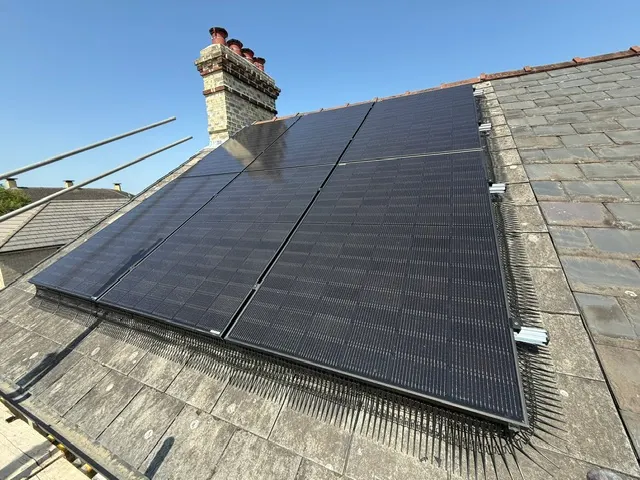
How Much Do Solar Panels Cost in Cambridgeshire in 2026?
A detailed breakdown of solar panel prices across Cambridgeshire, from Cambridge to Ely to Huntingdon. Real costs, incentives, and what to expect from your installer.
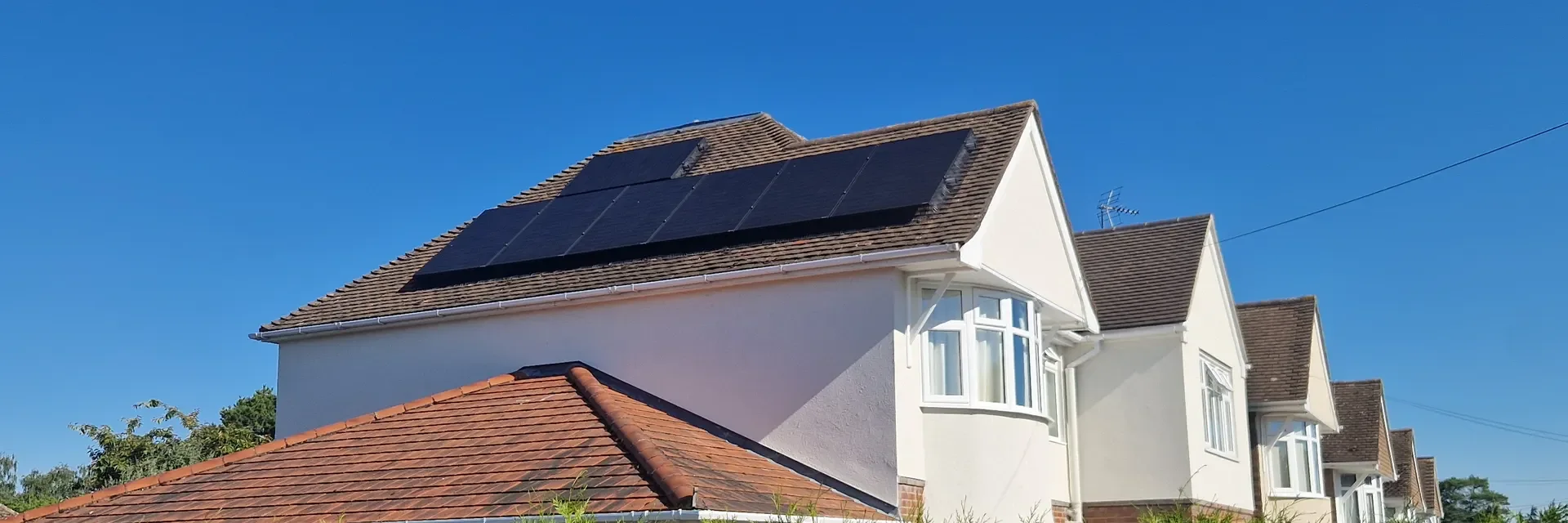
Solar Panels for Farms: A Complete Guide for East Anglia Farmers
How agricultural solar installations work, what they cost, and the exceptional ROI that farm buildings across Norfolk, Suffolk, and Cambridgeshire can achieve.
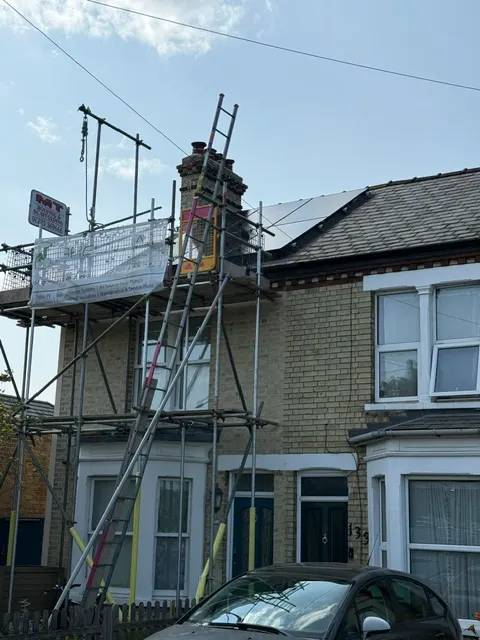
Solar Panels on Listed Buildings: What East Anglia Homeowners Need to Know
Can you install solar panels on a listed building in East Anglia? Yes, with the right approach. Planning requirements, approved methods, and real examples.