
Battery storage has become one of the most popular add-ons to residential solar panel systems. With smart export tariffs now paying up to 25-27p/kWh and electricity prices remaining high, the financial case for batteries is stronger than ever. Combined with 0% VAT on residential installations, 2026 is an excellent time to invest in battery storage for your East Anglia home.
For solar panel pricing, see our Solar Panel Costs 2026 guide. To learn about earning from surplus generation, read our Smart Export Guarantee guide.
How Does Battery Storage Work with Solar?
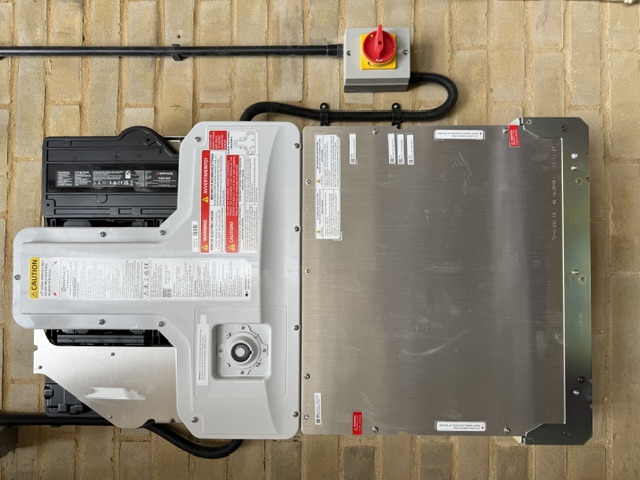
A home battery stores excess electricity generated by your solar panels during the day. Instead of exporting surplus energy to the grid at relatively low rates, you store it and use it in the evening and overnight when your panels are not generating. This is called self-consumption, and it is the primary financial benefit of battery storage.
Without a battery, a typical household self-consumes around 40-50% of its solar generation. With a correctly sized battery, this rises to 70-80%, meaning you buy significantly less electricity from the grid at peak rates.
Self-Consumption Boost
Adding a 5kWh battery to a 4kW solar system typically increases self-consumption from around 50% to 80%. That means an additional 1,000-1,200 kWh of solar energy used directly in your home each year, saving £250-£350 annually at current electricity prices.
Battery Storage Costs
| Battery | Capacity | Cost Range | Warranty |
|---|---|---|---|
| Solis 5.1kWh | 5.1 kWh | £3,600 - £4,200 | 10 years |
| Fox ESS 9.6kWh | 9.6 kWh | £5,200 - £6,000 | 10 years |
| Tesla Powerwall 3 | 13.5 kWh + inverter | £7,000 - £11,500 | 10 years |
| Pylontech Force-H2 | 7.1 - 14.2 kWh | £3,500 - £5,000 | 10 years |
| Fox ESS EVO | 5 - 10 kWh | £3,800 - £5,200 | 10 years |
| BYD HVS/HVM | 5.1 - 22.1 kWh | £4,000 - £8,000 | 10 years |
All prices include 0% VAT on residential installations. Costs shown are for battery added alongside a new solar installation. Retrofit costs may be slightly higher.
Smart Tariff Earnings
Smart export tariffs have transformed the economics of battery storage. Rather than exporting surplus solar at a flat 3-5p/kWh, smart tariffs pay premium rates during peak demand periods.
Octopus Flux
Export rate of 25-27p/kWh during peak periods (4pm-7pm). Import at reduced rates overnight. The most popular smart tariff for battery owners, earning £300-£500+ per year from exports alone.
Octopus Go / Intelligent Go
Cheap overnight import rate of 7-12p/kWh. Charge your battery overnight, use stored energy during the day. Ideal for homes without solar or as a complement to solar generation.
Standard SEG Tariffs
Fixed export rates of 3-5p/kWh from most energy suppliers. Less lucrative than smart tariffs but require no battery management. Better than nothing if you do not want to engage with smart tariffs.
EPS Backup Power
Many modern battery systems include EPS (Emergency Power Supply) functionality, which provides backup power during grid outages. When the grid goes down, the battery automatically disconnects from the grid and powers essential circuits in your home. This is particularly valuable in rural East Anglia, where power cuts can be more frequent. Fox ESS and Tesla Powerwall both offer EPS as standard, though it requires specific wiring during installation.
Brand Comparison
| Feature | Fox ESS EVO | Tesla Powerwall 3 | SolarEdge |
|---|---|---|---|
| Capacity Options | 5–10kWh, modular | 13.5kWh | 9.7–48.6kWh |
| EPS Backup | Yes (standard) | Yes (standard) | Optional |
| Smart Tariff Support | Excellent | Good | Good |
| App & Monitoring | Excellent | Excellent | Good |
| Warranty | 10 years | 10 years | 10 years |
| Price Range | £4,500-£5,500 | £7,000-£11,500 | £4,200-£5,500 |