
The greatest energy savings come not from any single technology but from combining them into an integrated system. A whole-house renewable retrofit brings together solar generation, battery storage, efficient heating, improved insulation, and smart energy management to transform how your home uses energy.
Green Hat Renewables is one of the few East Anglia installers that can deliver the full package. Our construction background means we handle everything from structural insulation work to electrical installations, eliminating the need to coordinate multiple contractors.
The Ideal Retrofit Package
A comprehensive whole-house retrofit typically includes these elements, installed in a logical sequence:
- Fabric first: External wall insulation, loft insulation top-up, and draught-proofing to reduce the total energy demand of the property.
- Heat pump: An air source heat pump replaces the gas or oil boiler, providing heating and hot water at 3-4 times the efficiency of combustion heating.
- Solar panels: Rooftop solar generates electricity to power the heat pump, household appliances, and EV charging.
- Battery storage: A home battery captures surplus solar during the day and releases it in the evening, maximising self-consumption.
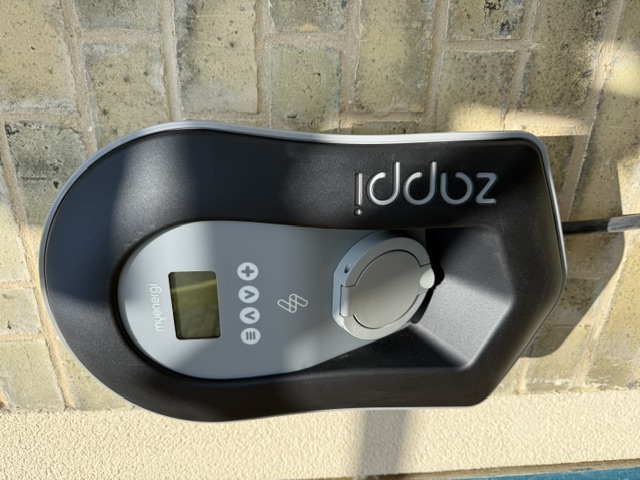
- Smart EV charger: A charger like the Zappi diverts surplus solar to your electric vehicle before exporting to the grid.
- MVHR (optional): Mechanical ventilation with heat recovery provides fresh air while recovering 90% of the heat from extracted stale air.
Typical Bundle Costs and Savings
A starter bundle of 4kW solar, 5kWh battery, and 8kW heat pump costs £11,200-£17,200 after the BUS grant, saving £1,800-£2,200 per year. A premium bundle with 6kW solar, 10kWh battery, and 10kW heat pump costs £17,000-£24,500, saving £2,400-£3,000 per year. The ultimate bundle adding EV charging and a larger battery costs £24,000-£34,000, saving £3,200-£4,000 per year.
These savings compound over time as energy prices rise. At current electricity price trends, total savings over 25 years can exceed £60,000-£80,000 for the premium and ultimate bundles.
The Right Installation Sequence
Order matters. Insulation should come first because it reduces the total heating demand, which in turn means you can specify a smaller (and cheaper) heat pump. A smaller heat pump uses less electricity, which means your solar system can cover a higher proportion of total demand.
After insulation, the heat pump goes in next, followed by solar panels and battery storage. The EV charger is typically the final element and can be added at any stage without affecting the other components.
Why One Installer Matters
Using a single installer for the complete retrofit has significant advantages. The system can be designed as an integrated whole, with the heat pump, solar, battery, and EV charger all communicating through a single energy management platform. There is one point of contact, one warranty framework, and no finger-pointing between separate contractors if issues arise.
Our construction heritage means we are equally comfortable with structural work (insulation, underfloor heating) and electrical work (solar, batteries, EV chargers). This is unusual in the renewable energy industry, where most installers specialise in one area.
Continue Reading
Get Expert Advice
Have questions about any of the topics covered in this article? Our team is happy to provide personalised advice for your specific property and situation.
Book a Free Survey