
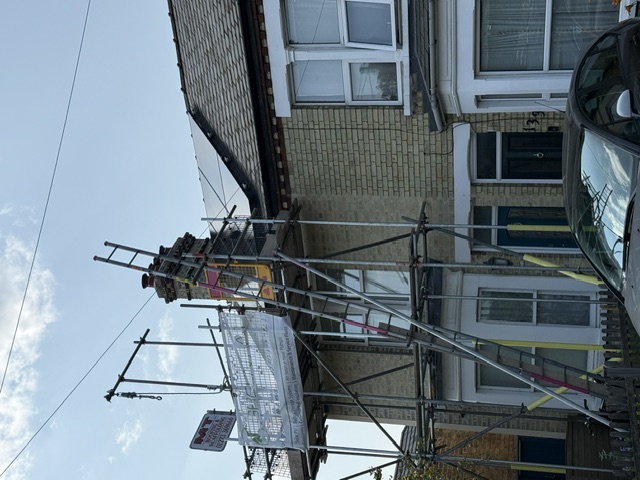
The UK government has confirmed that all rental properties in England and Wales will need a minimum EPC rating of C by 2030. For new tenancies, the deadline is expected to be 2028. This affects hundreds of thousands of landlords across East Anglia, many of whom currently have properties rated D or below.
The good news is that achieving EPC C is straightforward with the right combination of energy efficiency measures. Many of the most effective improvements also reduce tenant energy bills, making properties more attractive in the rental market.
Current EPC Requirements vs 2030 Rules
Currently, rental properties need a minimum EPC rating of E. The proposed change to C represents a significant jump. An E-rated property typically scores 39-54 on the EPC scale, while a C rating requires 69-80 points. That is a gap of 15-40 points that needs to be bridged through energy efficiency improvements.
Properties rated D (55-68) are closest to compliance and may need only one or two measures. Properties rated E will likely need a more comprehensive approach. Properties rated F or G face the most work but also stand to gain the most in property value and tenant appeal.
Improvements Ranked by EPC Impact
Based on our experience across East Anglia rental properties, here are the most effective improvements ranked by typical EPC point gain:
- External wall insulation (solid walls): 15-25 EPC points. The single biggest improvement for pre-1930s solid-walled properties common in Norfolk and Suffolk market towns.
- Loft insulation (top-up to 300mm): 5-10 EPC points. Low cost, high impact. Many older properties have only 100mm of loft insulation.
- Solar panels (3-4kW): 5-12 EPC points. Generates income and improves EPC. Tenants benefit from lower bills.
- Air source heat pump: 8-15 EPC points. Replacing a gas or oil boiler with a heat pump significantly improves the EPC rating, with the £7,500 BUS grant covering much of the cost.
- Double or triple glazing: 5-10 EPC points. Replacing single glazing has a major impact. Upgrading old double glazing has a smaller but still useful effect.
- LED lighting throughout: 2-4 EPC points. The simplest and cheapest improvement. Replace all halogen or CFL bulbs with LED.
Cost of Achieving EPC C
For a D-rated property, achieving C typically costs £3,000-£8,000 depending on the measures needed. For an E-rated property, the cost rises to £8,000-£18,000. The government has previously indicated a cost cap of £10,000 per property for landlords, though the details of any cap are still being finalised.
Available funding includes the BUS grant (£7,500 for heat pumps), 0% VAT on solar panels, and the ECO4 scheme for properties where tenants are on certain benefits. Smart landlords are investing now while grants are available rather than waiting until demand and costs surge closer to the deadline.
East Anglia Property Challenges
East Anglia has specific property challenges. Many properties in Norfolk and Suffolk market towns are solid-walled Victorian or Georgian buildings where cavity wall insulation is not possible. External wall insulation is the most effective solution but requires careful planning around conservation areas.
Fenland properties in Cambridgeshire often sit on peat or clay soils, which can affect ground floor insulation options. Coastal properties in Norfolk and Suffolk may face additional considerations around salt air exposure for external insulation systems. We assess all these factors during our free property survey.
What Landlords Should Do Now
Start with a current EPC assessment to understand your baseline score. Then get a free survey from us to identify which improvements deliver the most EPC points for your specific property. We can typically design a package that achieves EPC C while maximising available grants and keeping costs manageable.
Properties that achieve EPC C command higher rents (typically 5-10% more), attract better tenants, and have lower void periods. The investment in energy efficiency pays for itself through both rental income and property value uplift, even before the legal requirement kicks in.
Continue Reading
Get Expert Advice
Have questions about any of the topics covered in this article? Our team is happy to provide personalised advice for your specific property and situation.
Book a Free Survey