
It is one of the most common questions we hear: do solar panels actually generate electricity during winter? The answer is a clear yes, though generation is significantly lower than in summer. Understanding the seasonal profile helps you set realistic expectations and plan your energy strategy accordingly.
Monthly Generation Profile
A typical 4kW solar system in East Anglia generates approximately 3,800-4,200 kWh per year. However, this generation is not evenly distributed. June and July are the peak months, each producing around 500-550 kWh (roughly 13% of annual output). December and January are the lowest months, producing 90-150 kWh each (roughly 2.5-3.5% of annual output).
Even in the shortest days of December, a 4kW system typically generates 3-5 kWh per day. That is enough to run a fridge-freezer, washing machine cycle, and several hours of lights and electronics. It is not enough to cover the full household demand, but it meaningfully reduces your grid electricity consumption.
Why Winter Generation Is Lower
Three factors reduce winter solar generation:
- Shorter days: December daylight in East Anglia is roughly 7.5 hours compared to 16.5 hours in June.
- Lower sun angle: The winter sun sits lower in the sky, meaning solar energy travels through more atmosphere and hits panels at a less optimal angle.
- More cloud cover: Winter months have more overcast days. However, solar panels still generate in cloudy conditions, just at reduced output (typically 10-25% of rated capacity).
Battery Storage Bridges the Gap
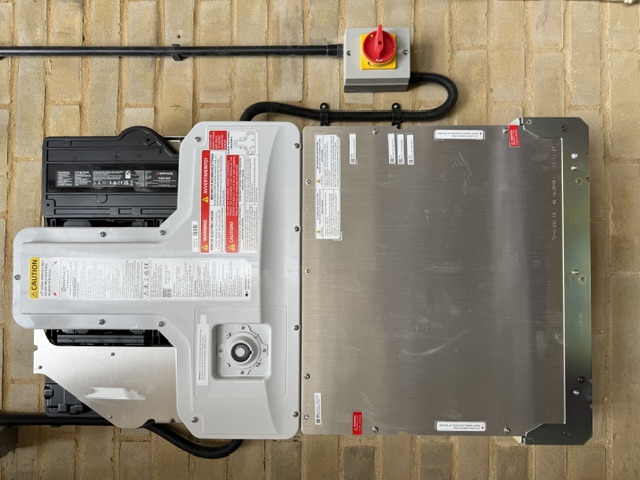
Battery storage becomes particularly valuable in winter. During autumn and spring shoulder months (October, November, March), your solar panels may generate more than you use during daylight hours but not enough to cover evening demand. A battery captures that surplus daytime generation and releases it in the evening, increasing your self-consumption rate from roughly 50% to 70-80%.
In the deepest winter months (December, January), a battery serves a different purpose: it charges from the grid during cheap overnight rates (7-12p/kWh on smart tariffs like Octopus Go) and discharges during expensive peak hours (24-35p/kWh). This tariff arbitrage saves money even when solar generation is minimal.
The Full-Year Picture
Solar panels are a full-year investment, not a summer-only technology. The strong summer generation months more than compensate for the lower winter output. Over 12 months, the system generates its rated annual total regardless of any individual month being weaker.
With battery storage and a smart tariff, you can maintain significant energy savings throughout the year. Our customers with combined solar and battery systems typically report that their electricity bills are 60-80% lower than before installation, averaged across the full year.
Get Expert Advice
Have questions about any of the topics covered in this article? Our team is happy to provide personalised advice for your specific property and situation.
Book a Free Survey