
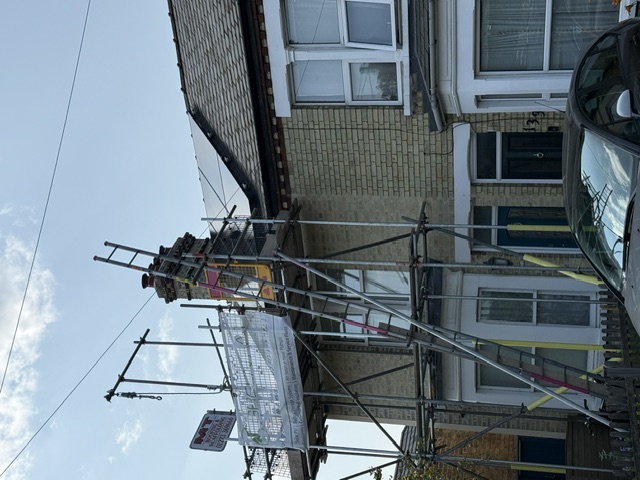
East Anglia has a rich architectural heritage. From medieval timber-framed houses in Suffolk to Georgian townhouses in Norwich and Victorian villas in Cambridge, the region contains thousands of listed buildings. Many homeowners assume that listed building status automatically rules out solar panels. It does not.
While you cannot install solar panels on a listed building without Listed Building Consent, approval rates are increasing as local planning authorities recognise the climate imperative and as solar panel design improves.
Planning Requirements
Installing solar on a listed building requires:
- Listed Building Consent from your local planning authority (this is in addition to any standard planning permission)
- A heritage impact assessment explaining how the installation affects the building character
- Detailed plans showing panel placement, mounting method, and cable routing
- Evidence that the installation is reversible (can be removed without permanent damage)
- In many cases, a supporting statement from a heritage consultant
Where Approval Is Most Likely
Based on our experience across Cambridgeshire, Norfolk, and Suffolk, approval is most likely when:
- Panels are placed on a rear or non-principal elevation (not visible from the street)
- The roof slope is not architecturally significant (e.g., a later extension rather than the original roof)
- Black-framed, all-black panels are specified to minimise visual contrast
- Mounting systems are non-penetrating or use minimal fixings
- The building is Grade II rather than Grade I or Grade II* (higher grades face greater scrutiny)
- Ground-mounted or outbuilding-mounted alternatives are considered where roof installation is not appropriate
Alternative Approaches
Where rooftop solar is not approved, there are alternatives. Ground-mounted arrays in the garden (if space permits) often face fewer objections as they do not alter the building fabric. Solar panels on outbuildings, garages, or garden buildings can generate useful electricity without affecting the listed structure. In-roof solar tiles that mimic traditional roof materials are becoming more refined and may gain approval where standard panels would not.
Cambridge Conservation Areas
Cambridge has extensive conservation areas covering much of the city centre and surrounding neighbourhoods. Properties in these areas (even if not individually listed) may need planning permission for solar panels if the panels would be visible from a highway. However, panels on rear elevations that are not street-visible generally fall under permitted development rights.
We have successfully installed solar panels on properties in conservation areas across Cambridge, Ely, Norwich, and Bury St Edmunds. Our team is experienced in preparing the necessary planning applications and can advise on the best approach for your specific property.
Continue Reading
Get Expert Advice
Have questions about any of the topics covered in this article? Our team is happy to provide personalised advice for your specific property and situation.
Book a Free Survey