
Cambridge has an extraordinarily high solar adoption rate. With over 9% of homes already generating their own electricity — nearly double the UK average — the city is a national leader in residential renewable energy. The combination of above-average sunshine, highly educated and environmentally motivated residents, and a dense cluster of tech and university employers means Cambridge was early to solar and remains ahead of the curve.
This guide covers everything Cambridge homeowners need to know in 2026: costs for CB1–CB4 postcodes, the CERP Warm Homes Grant available to South Cambridgeshire and Cambridge City households, conservation area planning rules, and how to combine solar with a heat pump and battery for a complete energy retrofit.
Solar Costs in Cambridge in 2026
Cambridge homes range from dense Victorian terraces in CB1 and CB2 to spacious detached housing in CB3 and CB4. Solar panel costs reflect property type more than location:
- CB1 (Romsey, Petersfield, Mill Road) — Victorian and Edwardian terraces, typically 3kW–4kW systems. Cost: £3,900–£6,200. Annual saving: £750–£1,050.
- CB2 (City Centre, Trumpington) — Mix of terraces and student accommodation. Conservation area covers much of CB2. Rear-facing panels are almost always approved; front-facing may need Listed Building Consent.
- CB3 (Newnham, Grantchester, Barton) — Detached and semi-detached housing with good roof space. 4kW–6kW systems typical. Cost: £5,200–£8,500. Annual saving: £1,000–£1,400.
- CB4 (Chesterton, Milton, Arbury) — Post-war estates, strong solar potential, no conservation restrictions in most areas. Popular for combined solar and EV charger installations.
Cambridge Conservation Areas: What You Need to Know
Cambridge has 22 conservation areas covering significant parts of the city, including the entire historic centre, Newnham, and parts of Chesterton. Solar panels in conservation areas require Prior Notification or full Planning Permission depending on whether the panels would be visible from a highway.
In practice, rear-facing panels on properties within conservation areas are routinely approved. Cambridge City Council has a proactive attitude toward renewable energy and recognises the climate imperative. The key test is visibility from the street: panels on rear slopes or rear extensions almost always pass. Front-facing panels on prominent rooflines face more scrutiny.
We carry out a free planning check for every Cambridge property as part of our initial survey — at no cost to you, and with no obligation to proceed.
CERP Warm Homes Grant for Cambridge Households
The CERP (Cambridgeshire Energy Retrofit Programme) Warm Homes Local Grant is available to Cambridge City and South Cambridgeshire households with an income below approximately £36,000 and an EPC rating of D or lower. Grants of up to £15,000 are available for solar panels, heat pumps, and insulation as part of a wider retrofit package.
Cambridge City Council participates alongside South Cambridgeshire, East Cambridgeshire, Huntingdonshire, Fenland, and Peterborough. For CB1–CB4 postcodes, contact the council or book a free survey with us — we check all grant eligibility during the survey at no charge.
Solar Plus Heat Pump in Cambridge
Cambridge is one of the most active markets in East Anglia for combined solar and heat pump installations. The university, hospital, and tech sector workforce tends to be highly informed about energy technology and motivated by both financial and environmental considerations.
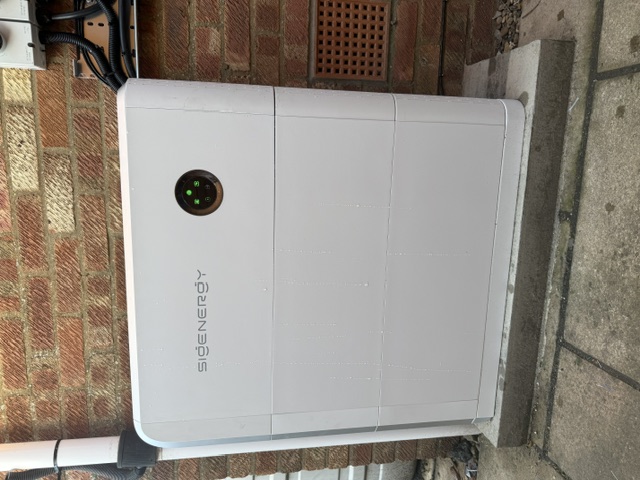
A typical Cambridge combined installation: 5kW solar panels (£6,500–£8,500), 10kWh battery (£4,200–£5,000), and 8kW air source heat pump (£12,500–£18,000, net £5,000–£10,500 after the £7,500 BUS grant). Total: £15,700–£24,000 after grants. Annual savings: £2,200–£2,900. Payback: 7–10 years, with 25+ years of ongoing savings.
Cambridge City consistently ranks among the top 10 local authority areas in England for new heat pump installations. The combination of motivated homeowners, a pro-renewable council, and a high concentration of MCS-certified installers like ourselves makes the process straightforward.
Why Cambridge Is Ideal for Solar
Cambridge benefits from 1,030–1,050 kWh/m² annual solar irradiance — above the UK average of 950 kWh/m². The flat surrounding Fenland landscape means no horizon shading from the south, east, or west. Despite being an urban centre, Cambridge has relatively low air pollution compared to London and Birmingham, meaning panels stay cleaner for longer and generate more consistently.
The average Cambridge electricity bill of approximately £100–£120 per month means a 4kW–5kW solar system covering 40–60% of annual household consumption delivers real financial impact. With energy prices expected to rise further from 2027 when the current price cap arrangements are reviewed, the long-term financial case for solar in Cambridge is exceptionally strong.
Continue Reading
Get Expert Advice
Have questions about any of the topics covered in this article? Our team is happy to provide personalised advice for your specific property and situation.
Book a Free Survey