
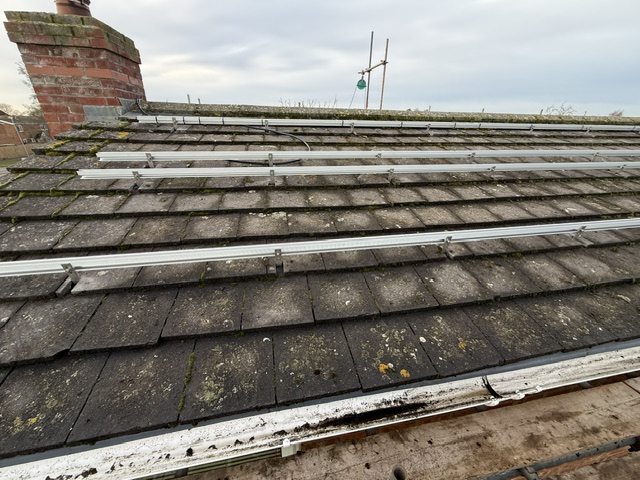
Bury St Edmunds is one of Suffolk's most prosperous market towns and one of its fastest-growing renewable energy markets. With a population of 45,000, a high concentration of executive and detached housing in the IP28–IP33 postcode area, and solar irradiance that matches the best of East Anglia, Bury is an ideal location for solar panels, battery storage, and heat pump installations.
Green Hat Renewables is based 18 miles from Bury St Edmunds in Isleham. We have completed installations across the town and surrounding villages including Rougham, Thurston, Stanton, and Ixworth. This guide covers costs, local planning context, available grants, and what to expect from a Bury St Edmunds solar installation in 2026.
Solar Panel Costs for Bury St Edmunds Homes
Bury St Edmunds has a higher proportion of large detached and semi-detached properties than average for Suffolk, with significant new-build development in areas like Moreton Hall (IP32) and the expanding western suburbs. This means average solar system sizes here are larger than in densely terraced towns like Ipswich.
- IP28 (Mildenhall, Beck Row, West Row) — Mix of RAF Mildenhall personnel housing and rural properties. Strong demand for solar+battery. Average system: 5kW. Cost: £5,500–£7,800.
- IP29 (Ingham, Culford, Ampton) — Village properties, many off-gas-grid. Heat pump installations have surged here following the £7,500 BUS grant. Average solar system: 4kW.
- IP32 (Bury St Edmunds North, Moreton Hall) — New executive housing with south-facing roofs. Best solar potential in the area. Many 6kW+ systems with Zappi EV chargers. Cost: £7,000–£11,000.
- IP33 (Bury town centre, Westgate, Newmarket Road) — Victorian terraces and town centre properties. Conservation area applies to the historic centre; rear panels routinely approved.
Off-Gas Properties and Heat Pumps
A significant proportion of the villages surrounding Bury St Edmunds — including Ingham, Culford, Whepstead, Brockley, and Rougham — are off the gas grid. These properties typically heat with oil or LPG at costs of 8–14p/kWh for heating energy, compared to a heat pump's effective cost of 7–8p/kWh.
The £7,500 Boiler Upgrade Scheme grant is available to all off-gas-grid properties in the IP28–IP33 area. Combined with 0% VAT, replacing an oil boiler with a heat pump typically costs £5,000–£10,000 net, with running cost savings of £800–£1,500 per year versus oil. When paired with solar panels, the running cost savings increase further: solar can power 40–60% of a heat pump's annual electricity consumption.
Suffolk Warm Homes Grant: Final Deadline
Suffolk County Council's Warm Homes Local Grant has a critical March 2026 deadline. If you are an IP28–IP33 resident with household income below £36,000 and an EPC rating of D or lower, you may qualify for free or subsidised solar panels, insulation, or heat pump installation. This grant is separate from — and stackable with — the national BUS grant.
After March 2026, the next Suffolk grant round is expected in Autumn 2026. For homeowners who miss the deadline, the national BUS grant and 0% VAT remain available throughout 2027–2028.
Bury St Edmunds: A Premium Solar Market
The average property value in Bury St Edmunds is £310,000 — the highest of any market town in West Suffolk. Research from Savills and Zoopla consistently shows that solar panels add 4–6% to property value in affluent East of England markets. For an average Bury property, this represents a value uplift of £12,000–£19,000 — often exceeding the net cost of the solar installation itself.
Solar panel adoption in IP32 and IP33 is already above the Suffolk average, driven by Moreton Hall residents and the professional demographic of the town. If you are considering solar in Bury St Edmunds, your neighbours are already doing it — and for good financial and environmental reasons.
Continue Reading
Get Expert Advice
Have questions about any of the topics covered in this article? Our team is happy to provide personalised advice for your specific property and situation.
Book a Free Survey