
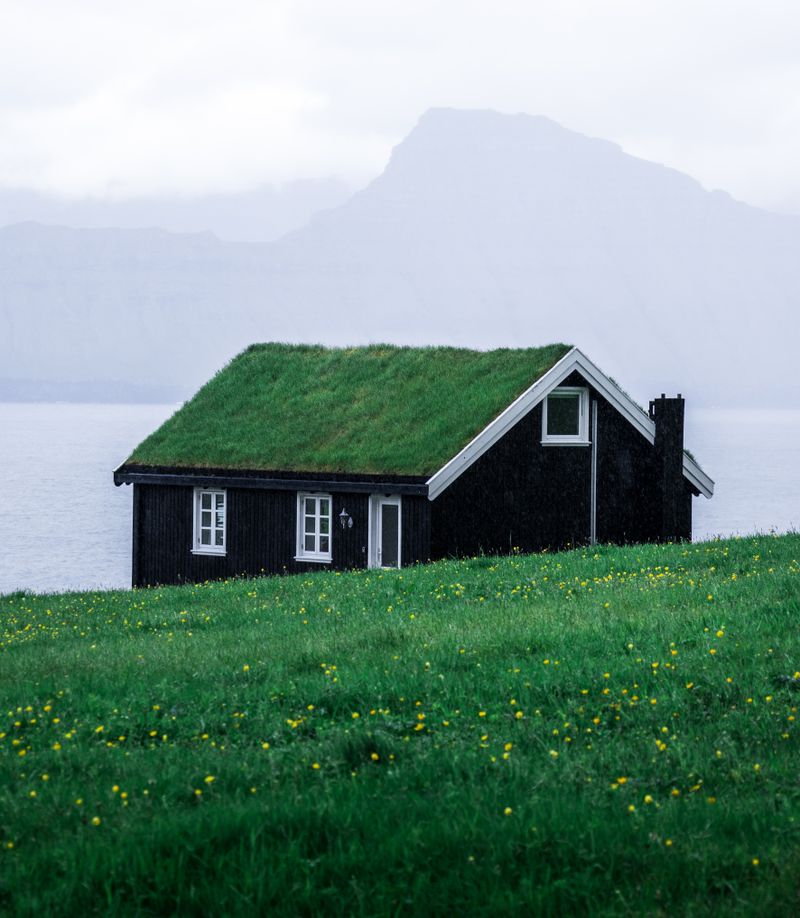
Listed Buildings and Solar Panels in East Anglia
East Anglia has one of the highest concentrations of listed buildings in England. Cambridge alone has over 1,500 listed buildings, Norwich has hundreds with 30+ medieval churches, and towns like Bury St Edmunds, Holt, Hadleigh, and Woodbridge are extensively heritage-designated. This doesn't mean solar is impossible, but it does require careful planning and specialist installation experience.
Listed Building Consent (LBC) is required for any alteration that affects the character of a listed building, including solar panel installation. This is separate from standard planning permission. The key principle is that installations should be reversible, not damage historic fabric, and not significantly alter the building's appearance from the principal elevation or any public highway.
Heritage-Sensitive Solar Solutions
Several approaches can work for listed and heritage properties. Ground-mount solar arrays in gardens or adjacent land avoid any roof alteration entirely. In-roof solar slates (like Marley SolarTile) replace conventional tiles with photovoltaic tiles that blend with the roofline. Rear-elevation installations are often approved when the principal (street-facing) elevation is preserved. For outbuildings, barns, and garages that aren't listed in their own right, standard solar panels often receive consent more readily.
We have experience working with conservation officers across East Cambridgeshire, South Cambridgeshire, North Norfolk, and Babergh district councils. Our approach starts with a free heritage assessment during the survey, followed by a pre-application discussion with the relevant conservation officer before formal submission.
Conservation Areas Without Listed Status
Properties in conservation areas that aren't individually listed have more flexibility. Solar panels are permitted development unless they face a highway or are on the principal elevation. Rear and side-facing installations generally proceed without planning permission. Towns like Ely (Cathedral conservation area), Soham (Heritage at Risk Register), Burwell (High Town and North Street conservation areas), and Swaffham (Georgian market square) all have significant conservation areas where this guidance applies.
Continue Reading
Get Expert Advice
Have questions about any of the topics covered in this article? Our team is happy to provide personalised advice for your specific property and situation.
Book a Free Survey