
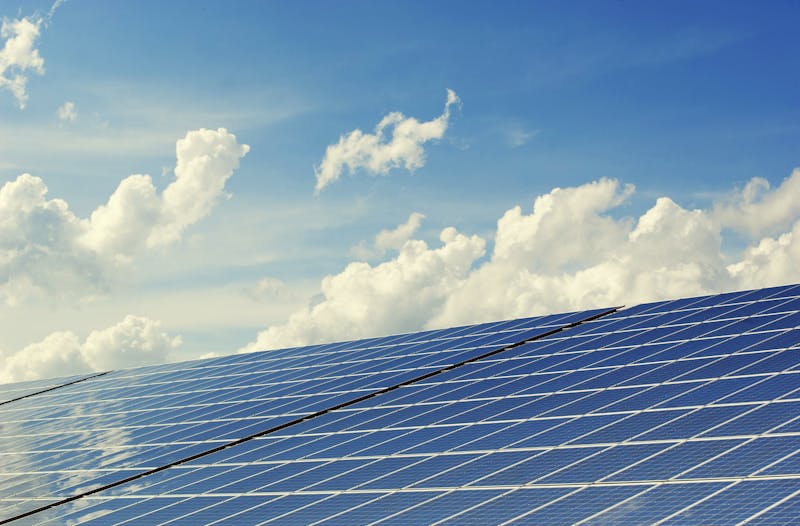
Why East Anglia Farms Are Ideally Positioned for Solar
Cambridgeshire and Norfolk farms benefit from three simultaneous advantages for solar investment: the best solar irradiance in England, large south-facing building areas (barns, grain stores, poultry sheds, machinery stores), and a high base energy cost from agricultural processes — grain drying, refrigeration, irrigation pumping, and livestock housing. This combination means commercial solar for farms in East Anglia typically delivers payback in 3-5 years and generates substantial returns over a 25-year panel life.
The region already hosts the highest concentration of agricultural solar installations in England. Norfolk ranks 6th nationally for total solar capacity (386 MW), with a significant proportion from agricultural installations. The Cambridgeshire Fens' combination of flat land and minimal shading makes ground-mounted solar particularly effective for larger systems.
Barn Roof Solar: The Most Common Entry Point
Barn roof solar installations are typically the first solar investment for East Anglia farms. South-facing steel-profile or corrugated asbestos-replacement roofs are particularly well-suited: they are structurally sound, require no planning permission for systems up to 1MW on agricultural buildings, and the large uninterrupted roof areas allow maximum panel density.
A typical 50kW barn roof system uses 110-120 panels across 300-350m² of roof and generates 45,000-50,000 kWh annually. For a farm consuming 80,000 kWh per year (typical for a medium arable operation with grain drying), a 50kW system covers approximately 55-60% of annual consumption. The remaining electricity needs are met from the grid during low-generation periods. System cost: £35,000-£50,000. Annual savings: £12,000-£16,000 at current commercial electricity rates of 27-32p/kWh. Payback: 2.5-4 years.
Ground-Mounted Solar: For Larger Aspirations
Ground-mounted solar systems on agricultural land are classified as permitted development for systems up to 1MW if the installation is temporary (i.e., removable) and on land that has not previously been used for a ground-mounted solar system. Systems above 1MW require planning permission. For most farms, the 1MW permitted development threshold is more than sufficient — a 1MW system occupies approximately 1-1.5 hectares and generates around 900,000 kWh per year.
Ground-mounted systems on agricultural land raise the question of dual-use (agrivoltaics). Systems can be designed with elevated panels to allow continued grazing underneath, or between-row planting of compatible crops. This preserves some agricultural productivity while generating income from solar. We design dual-use systems in consultation with our customers' agronomic requirements.
Tax Relief: The Case for Investing in 2026
Commercial solar for farms benefits from exceptionally favourable tax treatment in the UK. The Annual Investment Allowance (AIA) provides 100% first-year tax deduction on solar installations up to the AIA limit (currently £1 million per year). For a farm paying corporation tax or self-employed income tax, a £60,000 solar investment attracts a £15,000 tax deduction (at 25% corporation tax) in the year of installation.
Business rates: solar installations on agricultural buildings with an output below 50kW are fully exempt from business rates. Installations between 50kW and 1MW can apply for relief. The combination of AIA capital allowance and business rates exemption significantly reduces the net cost of investment and shortens effective payback period.
How We Work With East Anglia Farms
We have completed commercial solar installations on farms across Cambridgeshire and Norfolk, from 15kW poultry shed installations to 250kW barn roof arrays. Our commercial solar process: free site visit and consumption analysis, roof/land structural assessment, system design and generation modelling, planning pre-consultation where required, DNO application management, MCS installation, and ongoing monitoring.
We manage the complete process from initial inquiry to energisation, including the DNO (Distribution Network Operator) application that is required for systems above 3.68kW single phase or 11.04kW three phase. DNO applications for larger commercial systems can take 8-16 weeks, which we account for in project timelines. If you manage a farm or agricultural business in East Anglia and want to explore solar, contact us for a free commercial survey.
Continue Reading
Get Expert Advice
Have questions about any of the topics covered in this article? Our team is happy to provide personalised advice for your specific property and situation.
Book a Free Survey